Types of Industrial Calcium Carbonate and Their Applications
Industrial calcium carbonate is one of the most important raw materials used in modern manufacturing due to its valuable physical and chemical properties. It plays a crucial role in improving product quality, reducing production costs, and enhancing manufacturing efficiency across a wide range of industries. Different types of calcium carbonate vary according to their production methods, particle size, purity, and surface treatment, making each type suitable for specific industrial applications such as plastics, paints, paper, rubber, and construction materials.
Choosing the right type of calcium carbonate not only affects the quality of the final product but also contributes to improved production efficiency, enhanced durability, better color consistency, and superior surface finish. As a result, manufacturers carefully evaluate the characteristics of each grade before integrating it into their production processes.
What Is Industrial Calcium Carbonate?
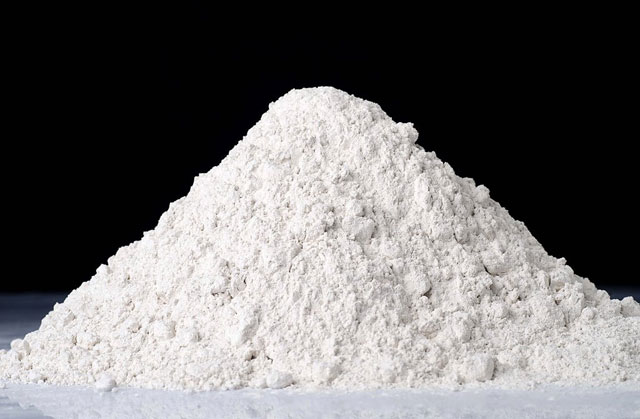
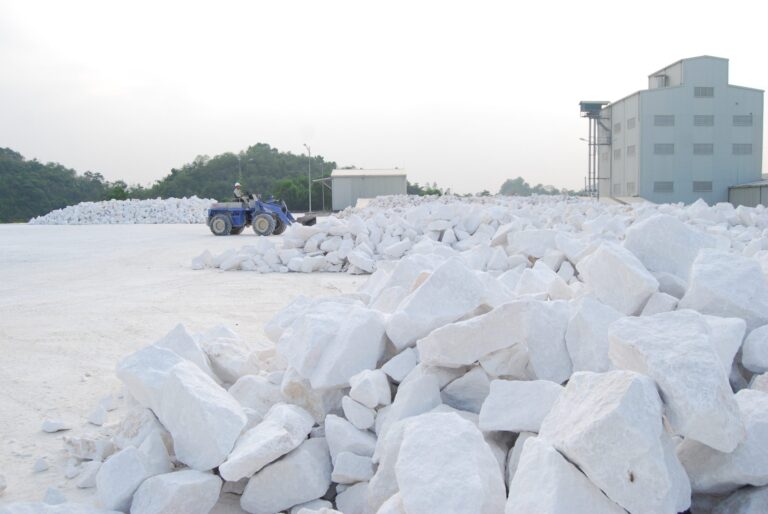
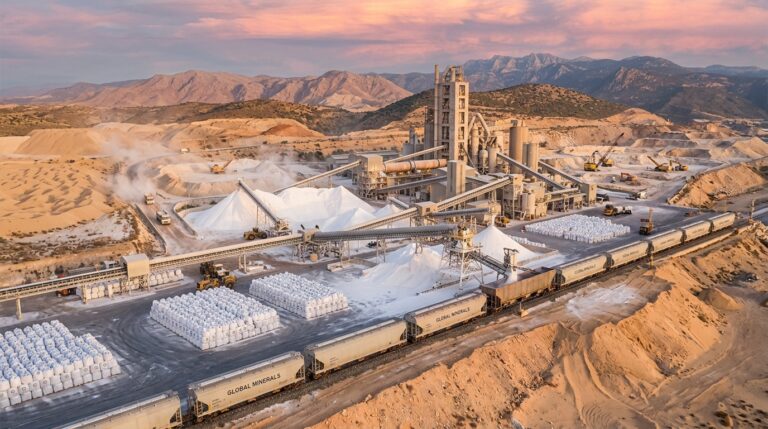
Industrial calcium carbonate is commonly used as a filler or performance-enhancing additive in numerous industrial products. It is extracted from limestone deposits and processed using different techniques to meet specific application requirements.
Key Properties of Calcium Carbonate
Calcium carbonate is characterized by its high whiteness, purity, and versatility.
Ease of Use
It can be easily incorporated into a wide variety of industrial formulations and manufacturing processes.
Cost Reduction
Calcium carbonate helps reduce the consumption of more expensive raw materials.
Quality Enhancement
It improves the physical and mechanical properties of finished products.
The Most Common Types of Industrial Calcium Carbonate
The different grades of industrial calcium carbonate are classified according to manufacturing methods, particle size, and chemical treatment.
Ground Calcium Carbonate (GCC)
Ground Calcium Carbonate is produced by grinding natural limestone into various particle sizes. It is widely used in the plastics, paints, and paper industries due to its affordability and excellent performance.
Surface-Treated Calcium Carbonate
This type is coated with special treatment agents to improve compatibility with polymers and other industrial materials, making it ideal for plastics and rubber applications.
Precipitated Calcium Carbonate (PCC)
Precipitated Calcium Carbonate is produced through controlled chemical processes that result in exceptionally high purity and ultra-fine particle sizes. It is commonly used in premium and high-performance applications.
Ultrafine Calcium Carbonate
Ultrafine grades feature extremely small particle sizes and are used in industries that require superior surface quality, precision, and finishing performance.
Applications of Calcium Carbonate in the Plastic Industry
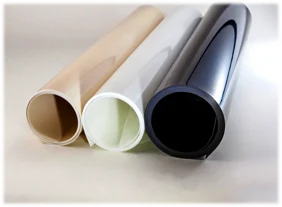
Calcium carbonate is extensively used in plastic manufacturing due to its positive impact on product properties and production efficiency.
Improved Rigidity
It enhances the strength and stiffness of plastic products.
Lower Production Costs
Calcium carbonate reduces the amount of expensive polymers required in formulations.
Enhanced Appearance
It provides smoother surfaces and improved gloss characteristics.
Better Thermal Stability
The material helps plastic products withstand varying temperature conditions.
Calcium Carbonate in the Paint Industry
Calcium carbonate plays an important role in producing high-quality paints and coatings.
Improved Coverage
It increases the paint’s ability to effectively cover surfaces.
Enhanced Durability
Calcium carbonate helps maintain paint color and performance over time.
Reduced Excessive Gloss
It creates a balanced and attractive finish.
Improved Viscosity Control
The material contributes to easier application and better paint distribution.
Applications of Calcium Carbonate in the Paper Industry
Paper manufacturers rely on calcium carbonate to improve paper quality while reducing production costs.
Increased Paper Brightness
It enhances whiteness and visual appeal.
Improved Printability
Calcium carbonate promotes balanced ink absorption and sharper printing results.
Reduced Fiber Consumption
It lowers the amount of pulp and other primary raw materials needed.
Better Surface Texture
The material provides a smoother and more refined paper finish.
The Role of Calcium Carbonate in the Rubber Industry
Surface-treated calcium carbonate is widely used in rubber products and tire manufacturing.
Increased Durability
It improves resistance to pressure, friction, and wear.
Enhanced Flexibility
Calcium carbonate helps achieve an optimal balance between strength and elasticity.
Reduced Manufacturing Costs
It decreases the amount of expensive rubber compounds required.
Improved Abrasion Resistance
The material extends the service life of rubber products.
How to Choose the Right Type of Calcium Carbonate
Selecting the most suitable calcium carbonate grade depends on the application requirements and desired product characteristics.
Particle Size
Finer particles generally provide better surface finish and product quality.
Purity Level
Higher purity contributes to better color consistency and performance.
Surface Treatment
Chemically treated grades offer enhanced compatibility with polymers and specialty formulations.
Industrial Application Requirements
Different industries require different performance characteristics and specifications.
Advantages of Industrial Calcium Carbonate
Calcium carbonate offers numerous benefits that make it one of the most widely used industrial minerals.
Cost-Effective Material
It helps manufacturers reduce production costs without sacrificing quality.
Versatile Applications
It is suitable for a broad range of industries and manufacturing processes.
Improved Product Performance
Calcium carbonate enhances durability, strength, rigidity, and overall quality.
Relatively Environmentally Friendly
As a naturally occurring mineral, it is generally considered a safe and sustainable industrial material.
Challenges Associated with Calcium Carbonate Usage
Despite its many advantages, manufacturers must address several challenges to achieve optimal results.
Incorrect Grade Selection
Choosing the wrong type may negatively affect product performance.
Poor Dispersion
Uneven distribution can weaken physical and mechanical properties.
Low Purity Levels
Impurities may impact color consistency and overall product quality.
Industry-Specific Requirements
Each sector requires carefully selected specifications to meet performance standards.
Frequently Asked Questions (FAQs)
What is the difference between ground and surface-treated calcium carbonate?
Ground calcium carbonate is used directly after grinding, while surface-treated calcium carbonate undergoes additional processing to improve compatibility with polymers and other industrial materials.
Which industries use calcium carbonate the most?
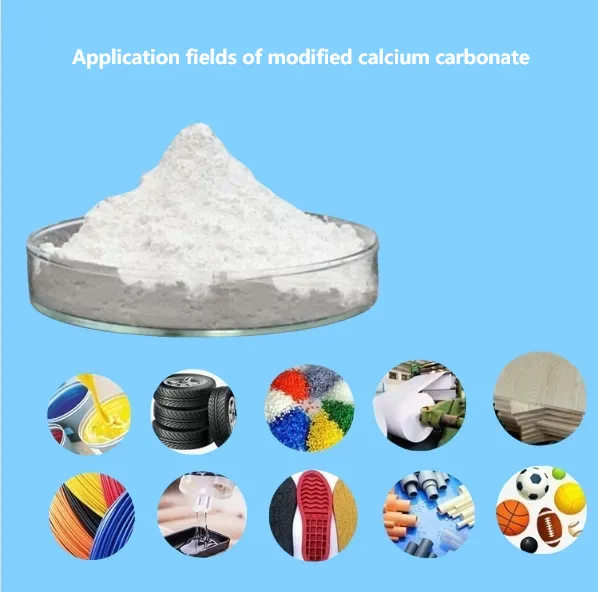
Major industries include plastics, paints, paper, rubber, and construction materials.
Does particle size affect product quality?
Yes. Finer particle sizes generally improve surface finish, product appearance, and overall performance.
Why is calcium carbonate used to reduce manufacturing costs?
It partially replaces more expensive raw materials while maintaining or improving product quality and performance.
Conclusion
Industrial calcium carbonate has become an essential component in modern manufacturing due to its versatility, cost-effectiveness, and performance-enhancing properties. Each type offers unique characteristics that make it suitable for specific applications in plastics, paper, rubber, paints, and construction materials. As industrial technologies continue to advance, the demand for high-quality calcium carbonate products is expected to grow, helping manufacturers achieve the ideal balance between quality, productivity, and cost efficiency.