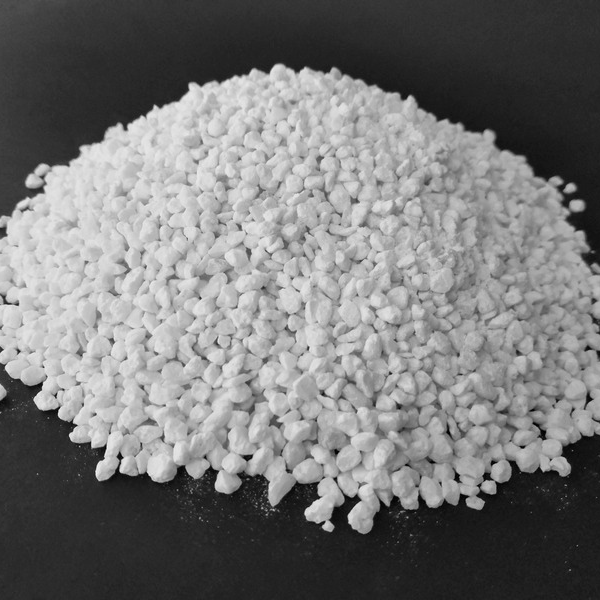
The Role of Calcium Carbonate in Paints and Coatings Industry
Calcium carbonate is one of the most widely used fillers in paint and coating formulations, offering an effective balance between performance and cost. Different coating systems benefit from its properties to enhance whiteness, control viscosity, increase hardness, and reduce the final cost per square meter. Below is a practical overview of how this material influences coating properties, the available types, and key formulation considerations.
Key Properties and Their Impact on Coatings
Calcium carbonate features a bright white color and strong chemical stability. It can be ground into various particle sizes to meet different formulation needs. These properties make it a preferred choice for paint manufacturers aiming to improve whiteness and filler distribution within the polymer matrix without significantly increasing raw material costs.
Types of Calcium Carbonate Used in Coatings
There are two main types:
- GCC (Ground Calcium Carbonate):
Used in applications requiring a specific particle structure and lower cost. - PCC (Precipitated Calcium Carbonate):
Provides better smoothness and brightness due to higher surface area.
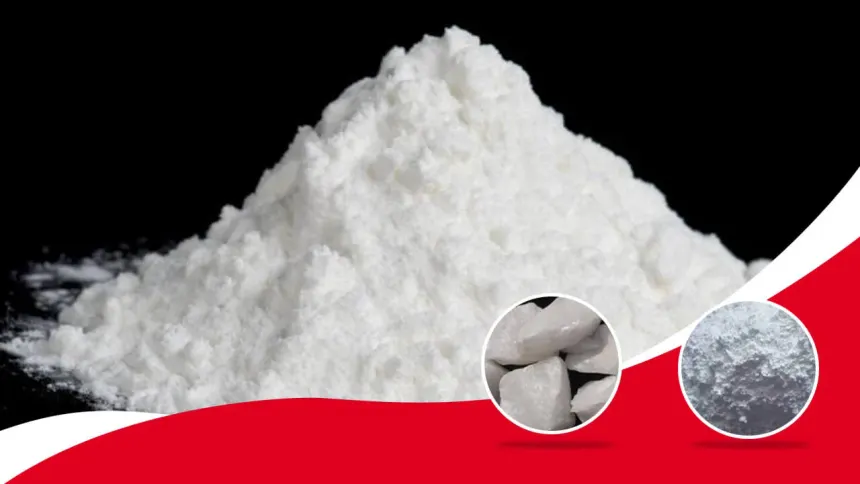
Surface-treated grades are also available, improving compatibility with coating resins. These are especially useful for reducing plasticizer absorption and enhancing stability.
Functional Roles in Paint Formulations
Calcium carbonate performs several key functions:
- Improves coverage and reduces resin consumption, lowering overall cost
- Adjusts viscosity and flow for easier application (spray or brush)
- Enhances whiteness and may reduce the need for multiple coats
- Contributes to surface hardness and scratch resistance in industrial coatings
Usage Ratios and Formulation Considerations
The percentage used varies depending on the type of coating:
- Water-based paints: typically 5% to 30%
- Industrial coatings: may reach up to 40%
It is essential to test different ratios in the lab. Excessive amounts may reduce flexibility or affect adhesion, so properties like drying time, adhesion, and flow should always be evaluated for each formulation.
Integration with Other Fillers
Calcium carbonate is often combined with other fillers such as clay, bicarbonates, or silica to achieve a balanced mix of texture, density, and dispersion control. The right combination allows manufacturers to fine-tune coating performance in terms of appearance, durability, and cost.
Surface Treatment and Its Practical Impact
Surface treatments improve bonding between particles and the resin matrix. Coating particles with compatible compounds reduces plasticizer absorption and enhances formulation stability—especially important when using high filler loadings or sensitive organic resins.
Environmental and Safety Considerations
Calcium carbonate is generally a natural and non-toxic material. However, during grinding and mixing, dust may be generated and should be properly managed:
- Use effective ventilation systems
- Install dust collection filters
- Provide personal protective equipment (PPE) for workers
It is also advisable to verify sustainable sourcing practices when possible.
Practical Recommendations for Manufacturers
- Conduct lab trials to determine optimal particle size and dosage
- Consider surface-treated grades if adhesion or settling issues arise
- Monitor sprayability and viscosity on the production line before major changes
- Evaluate cost based on total lifecycle—not just price per kilogram, but also performance, durability, and maintenance/recoating costs
Conclusion
Calcium carbonate remains a practical and efficient solution in the paints and coatings industry. With the right selection of grade, dosage, and surface treatment, manufacturers can achieve an excellent balance between appearance, performance, and cost—while also benefiting from recyclability and reduced reliance on petrochemical materials.