How to Choose the Right Calcium Carbonate Supplier for Your Factory
Choosing the right calcium carbonate supplier is a critical step for any factory that depends on this material in its production process. The right decision directly impacts the final product quality, production line efficiency, and long-term operating costs. In this practical guide, we outline the key criteria for selecting a supplier and explain how to compare offers when purchasing calcium carbonate to find the best fit for your industrial needs.
Here’s How to Choose the Right Calcium Carbonate Supplier for Your Factory
1 Define Technical Specifications First
Before contacting any supplier, clearly determine your technical requirements:
Required purity level (% CaCO₃)
Particle Size Distribution (PSD) and bulk density
Whiteness index, Loss on Ignition (LOI), and acceptable moisture levels
Having clear specifications makes supplier selection more objective and speeds up comparison and testing.
2 Verify Product Quality and Laboratory Standards
Request a Certificate of Analysis (COA) with every shipment. Conduct practical tests on samples—such as powder dispersion, oil/resin absorption, and mixing behavior on your production line—before signing any purchase agreement. A reliable supplier provides detailed lab data and supports or supervises testing.

3 Evaluate Supply Capacity and Consistency
Ask about production capacity, stock levels, and expected delivery times. A supplier’s ability to provide consistent quantities on time is essential for stable production. Interruptions in supply can lead to downtime and increased operational costs, so ensure the supplier has safety stock and scalability.
4 Variety of Grades and Technical Flexibility
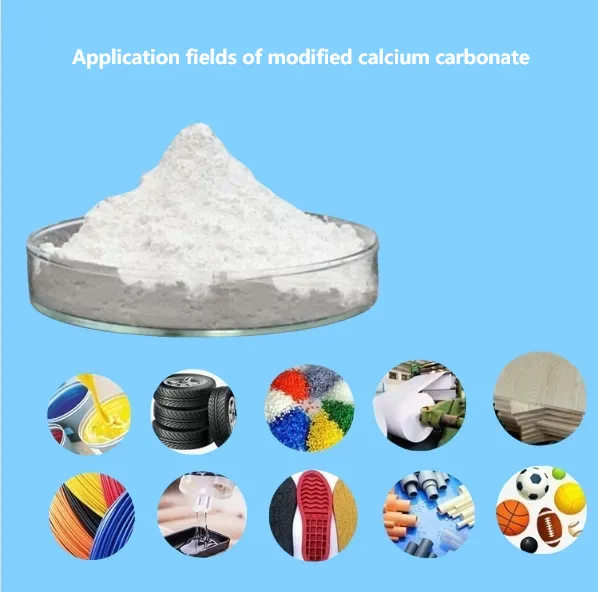
Top suppliers offer multiple grades (GCC, PCC, coated grades, light/heavy grades) and customization options. This flexibility allows you to adjust formulations without changing suppliers. Make sure the supplier can provide surface-treated grades or modifications suited to your resin or application needs.
5 Compare Total Cost of Ownership (TCO), Not Just Price
When purchasing calcium carbonate, don’t compare price per kilogram only. Consider the total cost of ownership:
Material price
Transportation costs
Production waste rate
Impact on additives/resin consumption
Warranty or return costs
A cheaper supplier may cost more in the long run if quality issues affect production.
6 Logistics, Packaging, and Handling
Check packaging options (25/50 kg bags, jumbo bags, bulk silos) and ease of unloading and storage. A geographically closer supplier or one with flexible logistics reduces delivery time and transportation costs. Also ensure proper safety documentation and storage instructions are provided.
7 Quality Certifications and Environmental Compliance
Look for suppliers with certifications such as ISO 9001 and environmental reports on quarrying and waste management practices. Choosing an environmentally responsible supplier enhances your product’s market image and reduces regulatory risks.
8 Technical Support and After-Sales Service
A professional supplier should offer technical support, including:
Recommended dosage levels
Assistance with mixing trials
Troubleshooting production issues
Providing alternative grades when needed
A strong technical team indicates a long-term partnership approach, not just a one-time sale.
9 Contract Terms, Shipping, and Guarantees
Negotiate clear contract terms:
Payment conditions
Inspection and acceptance policies
Compensation for non-conforming shipments
Cancellation terms
A well-structured contract protects your factory and minimizes commercial risks.
10 pilot Testing Before Long-Term Commitment
Place a small trial order before signing large contracts. Test the material on your actual production line and evaluate its behavior during mixing, forming, and its impact on final product properties. Real production results are more reliable than lab data alone.
Conclusion:
Quick Steps to Choose the Ideal Supplier
Define clear technical specifications
Request samples and Certificates of Analysis
Compare total cost, not just price
Verify supply capacity and logistics
Evaluate technical support and environmental certifications
Conduct a pilot run before long-term agreements