How Does Calcium Carbonate Help Reduce Industrial Production Costs
Calcium carbonate has become one of the most effective solutions for reducing industrial production costs while maintaining product quality. As global raw material prices continue to rise, manufacturers across various industries are increasingly turning to calcium carbonate as a cost-efficient and high-performance material. Its ability to lower manufacturing expenses while improving product properties makes it an essential component in modern industrial processes.
The Importance of Calcium Carbonate in Modern Industries
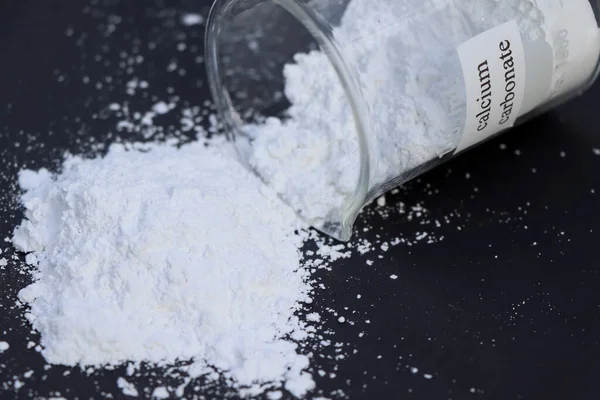
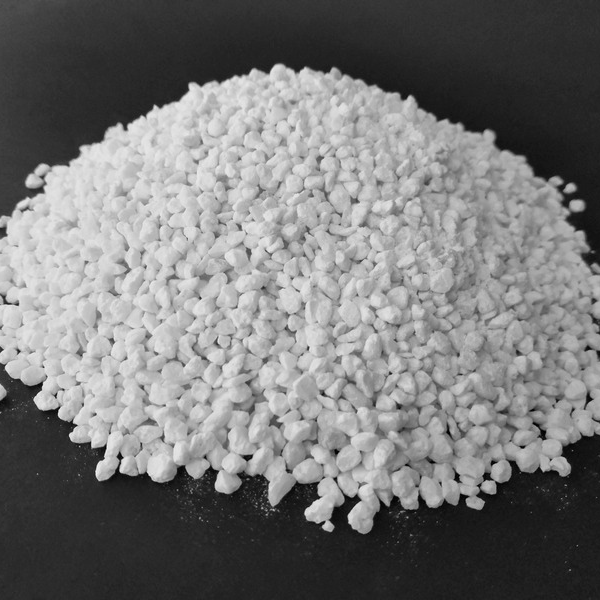
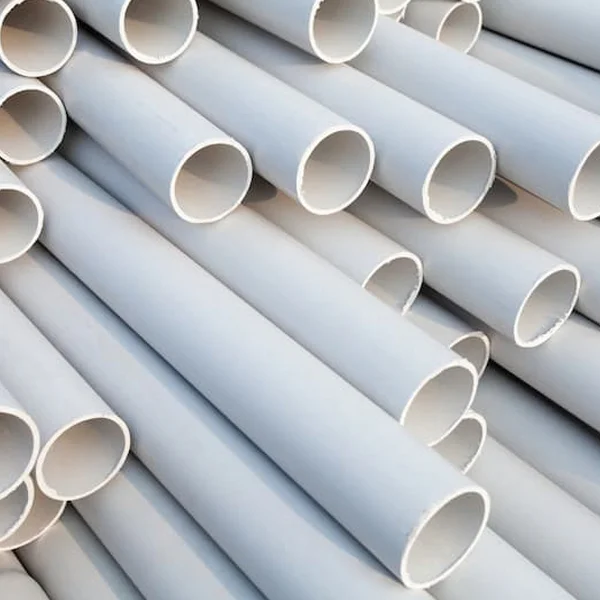
Industrial calcium carbonate is widely used in sectors such as plastics, paints, paper, rubber, and construction materials.
Cost-Effective and Versatile Material
Calcium carbonate helps reduce the consumption of expensive raw materials, making production more economical.
Improved Product Performance
It enhances several physical and mechanical properties of industrial products.
Supporting Sustainability
Its use contributes to lower waste generation and reduced energy consumption.
Increased Productivity
Calcium carbonate improves manufacturing efficiency and facilitates various production processes.
How Does Calcium Carbonate Reduce Production Costs?
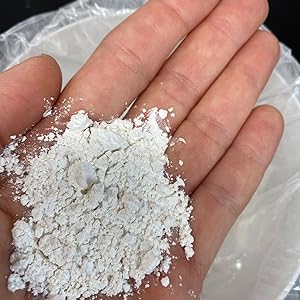
Manufacturers rely on calcium carbonate to reduce production expenses for several important reasons that directly impact operational budgets.
Reduced Polymer Consumption
A portion of costly base materials can be replaced with lower-cost calcium carbonate without compromising product performance.
Lower Energy Consumption
Certain manufacturing processes become faster and more efficient when calcium carbonate is incorporated.
Reduced Maintenance Costs
It helps stabilize production operations and may reduce equipment wear and downtime.
Improved Production Line Efficiency
Calcium carbonate enhances mixing, processing, and forming operations, increasing overall productivity.
The Role of Industrial Fillers in Improving Production
Industrial fillers are widely used to enhance product performance while reducing manufacturing costs. Calcium carbonate is among the most popular and effective filler materials.
Density Enhancement
It provides products with the desired density and performance characteristics.
Increased Hardness
Calcium carbonate improves the strength and rigidity of finished products.
Better Surface Finish
It contributes to smoother surfaces and a higher-quality appearance.
Reduced Shrinkage
The material helps maintain dimensional stability during manufacturing.
Industries That Rely on Calcium Carbonate
Calcium carbonate plays a significant role in reducing production costs across multiple industries that require both high quality and cost efficiency.
Plastic Industry
Used to lower raw material costs while improving stiffness and durability.
Paint Industry
Enhances coverage, consistency, and cost efficiency.
Paper Industry
Improves paper quality while reducing the use of more expensive materials.
Rubber Industry
Contributes to enhanced flexibility, durability, and overall performance.
Improving Manufacturing Efficiency with Calcium Carbonate
The use of calcium carbonate can significantly improve efficiency throughout modern production lines.
Faster Manufacturing Processes
It facilitates mixing, molding, and processing operations.
Reduced Material Waste
Better material utilization helps minimize production losses.
Consistent Product Quality
Calcium carbonate contributes to stable and repeatable product specifications.
Reduced Equipment Downtime
In some industries, it helps maintain smoother operations and equipment stability.
Factors That Determine the Quality of Industrial Calcium Carbonate
To achieve the best results, manufacturers must select the appropriate type of calcium carbonate based on their specific application requirements.
Particle Size
Particle size directly affects surface quality and product performance.
Purity Level
Higher purity generally results in better product quality and consistency.
Uniform Distribution
Proper dispersion ensures stable performance throughout the final product.
Surface Treatment
Processing and treatment methods influence compatibility with other materials.
Challenges of Using Calcium Carbonate
Although calcium carbonate offers numerous benefits, improper use can create challenges.
Choosing the Wrong Grade
An unsuitable product may negatively affect the quality of the finished material.
Poor Mixing and Dispersion
Uneven distribution can lead to inconsistent product properties.
Low-Quality Raw Materials
Inferior calcium carbonate grades may reduce production efficiency and product performance.
Industry-Specific Requirements
Each industrial application requires specific calcium carbonate characteristics and specifications.
The Future of Calcium Carbonate in Industry
As industrial technologies continue to advance, demand for economical and efficient materials such as calcium carbonate is expected to increase.
Expansion of Sustainable Manufacturing
Industries are increasingly seeking materials that reduce costs, waste, and environmental impact.
Advances in Processing Technologies
New treatment and production methods are delivering improved quality and performance.
Growing Global Demand
Rising raw material costs are driving greater adoption of calcium carbonate worldwide.
Supporting Industrial Innovation
Calcium carbonate enables the development of more efficient and competitive industrial products.
Frequently Asked Questions (FAQs)
Why is calcium carbonate used in industrial applications?
Because it helps reduce production costs while improving the performance and quality of manufactured products.
Does calcium carbonate affect product quality?
Yes. When used correctly, it can enhance durability, strength, stability, and overall product performance.
Which industries rely most on calcium carbonate?
Major industries include plastics, paints, paper, rubber, and construction materials.
How does calcium carbonate improve manufacturing efficiency?
It helps accelerate production processes, reduce waste, improve quality consistency, and optimize material usage.
Conclusion
In today’s competitive industrial landscape, calcium carbonate has become a valuable solution for reducing production costs while maintaining high product quality. Beyond lowering operational expenses, it enhances product performance and improves manufacturing efficiency. As industries continue to pursue sustainable and cost-effective production methods, calcium carbonate is expected to play an even greater role in supporting innovation, productivity, and long-term competitiveness in global markets.