Exporting Calcium Carbonate from Syria to Arab Countries
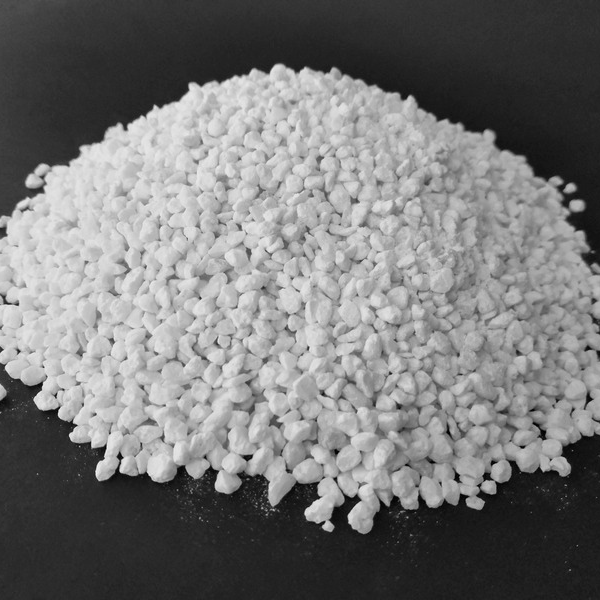
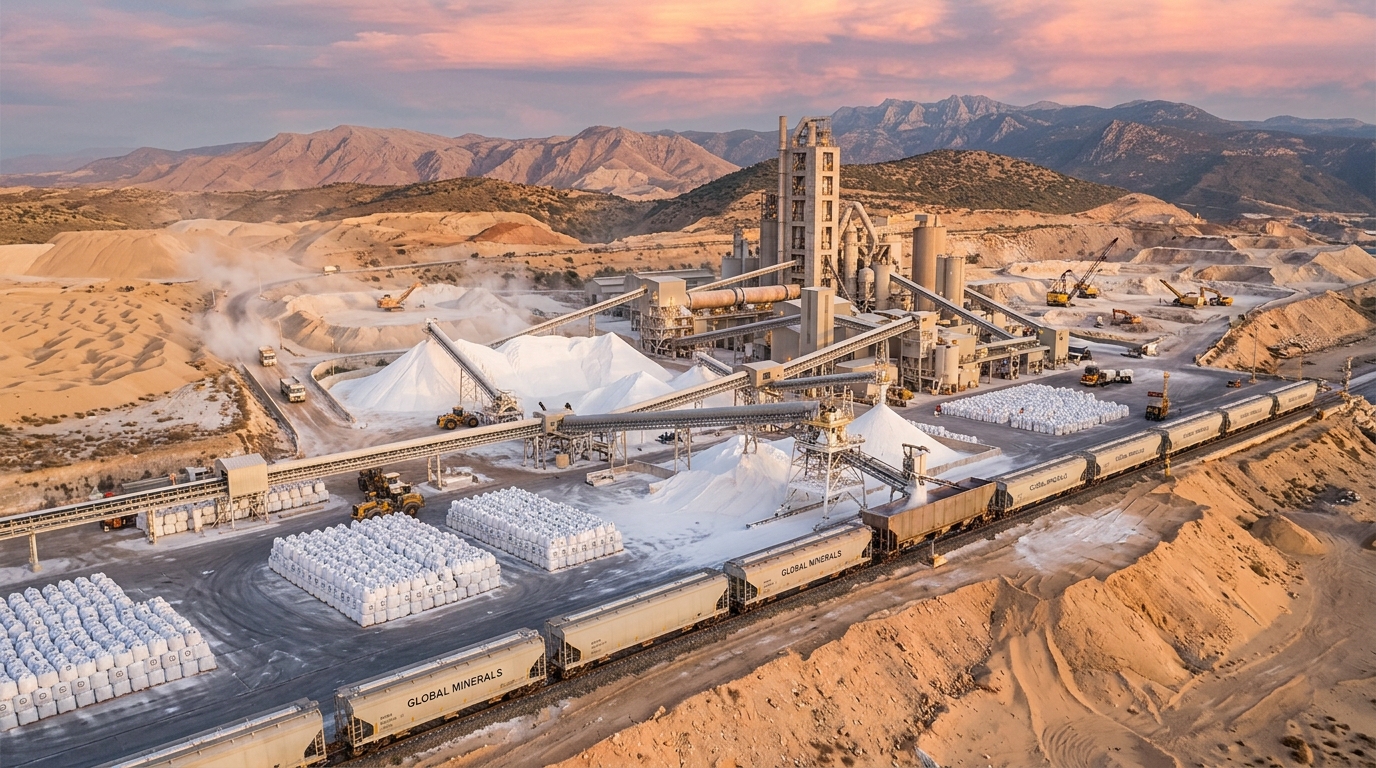
Calcium carbonate is no longer just a raw material consumed locally; in recent years it has evolved into a promising industrial commodity, opening wide horizons for Syria toward neighboring Arab markets.
As the Syrian industrial sector gradually recovers and some factories regain their production capacity, Syrian calcium carbonate has begun finding its way into new markets, driven by its high quality and competitive pricing.
We explore the key features of this promising export trend and the genuine opportunities it offers to reposition Syria as an active industrial player in the region.
First: Syria’s Export Fundamentals in the Calcium Carbonate Sector
Syria possesses a range of natural and industrial assets that qualify it to be a reliable regional source of calcium carbonate, most notably:
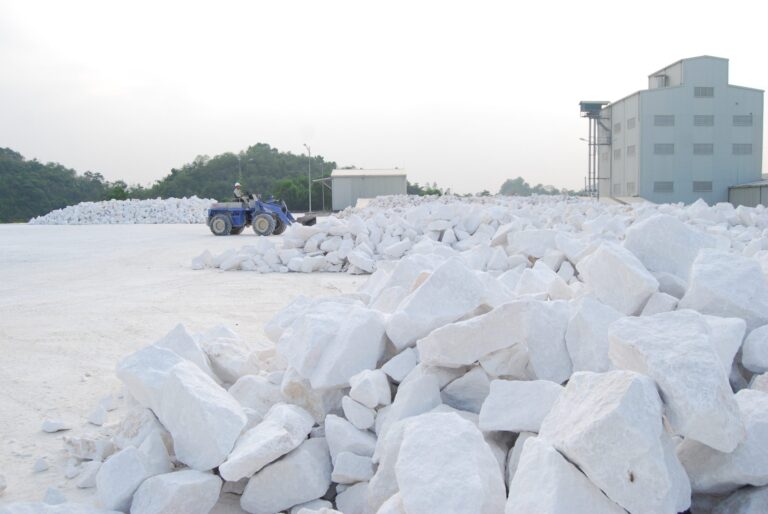
- Abundant high-purity limestone deposits across multiple regions of the country.
- Accumulated industrial expertise in the extraction and processing of non-metallic minerals.
- A geographic proximity to Arab markets, which reduces transport costs and delivery times.
Together, these factors give Syrian calcium carbonate a genuine competitive advantage over rivals from more geographically distant countries.
Second: Promising Arab Markets for the Syrian Product
There are multiple potential export destinations for Syrian calcium carbonate, most notably markets experiencing growth in construction and manufacturing sectors, such as:
- Neighboring countries connected to Syria by direct overland transport routes, facilitating shipping operations.
- Gulf markets, which continue to see steady expansion in the construction and plastics industries.
- North African markets, which have begun seeking closer and more competitive supply sources.
This diversity of destinations gives exporters of calcium carbonate significant flexibility in choosing the markets best suited to demand and required specifications.
Third: Quality as a Decisive Factor in Export Competitiveness
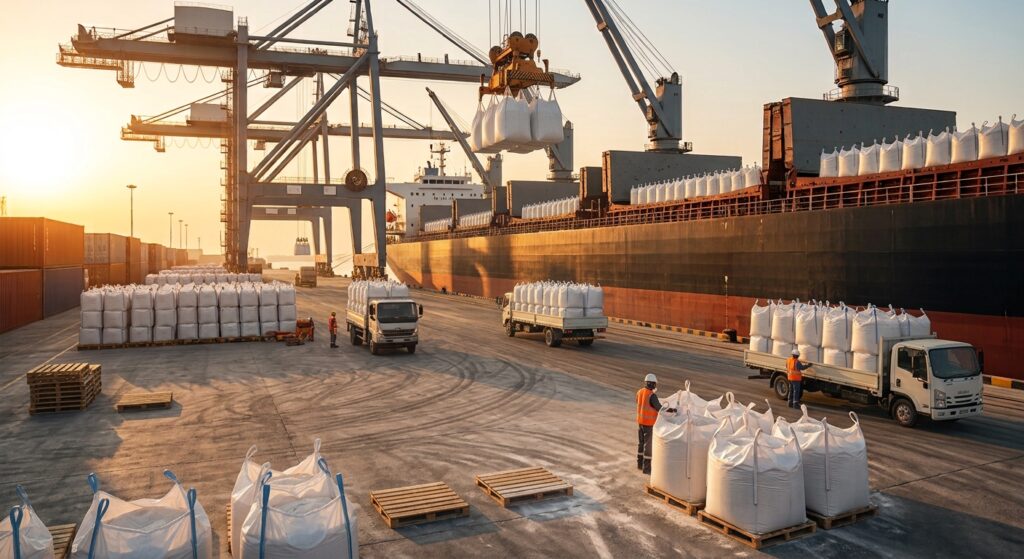
No discussion of successful exports is complete without emphasizing the importance of quality. Arab markets today are increasingly aware of technical specifications, which is why Syrian factories are committed to:
- Meeting the purity and whiteness standards required by various industries.
- Standardizing production quality across batches to build the trust of foreign clients.
- Conducting precise laboratory testing before shipment to ensure compliance with agreed specifications.
This focus on quality is what gives Syrian calcium carbonate a genuine chance to compete in markets accustomed to dealing with major global suppliers.
Fourth: Logistical and Administrative Challenges Facing Exports
Despite promising opportunities, exporting calcium carbonate faces certain challenges that require serious attention, including:
- Complex transport and customs clearance procedures at some border crossings.
- The need to modernize port and land-crossing infrastructure to speed up shipping operations.
- The necessity of providing insurance and financial guarantees that reassure importers in foreign markets.
Gradually addressing these challenges will pave the way for greater growth in Syrian calcium carbonate exports in the coming years.
Fifth: The Economic Impact of Exporting Calcium Carbonate
The impact of exporting calcium carbonate is not limited to producing factories alone — it extends to the entire national economy through:
- Securing foreign currency resources that support economic stability.
- Creating new jobs in mining, processing, transport, and logistics sectors.
- Strengthening the image of Syrian industry as capable of regional competitiveness despite difficult conditions.
In this way, exporting calcium carbonate becomes a true economic lever, not merely a limited-impact commercial activity.
Sixth: Steps Toward Strengthening the Syrian Product’s Regional Presence
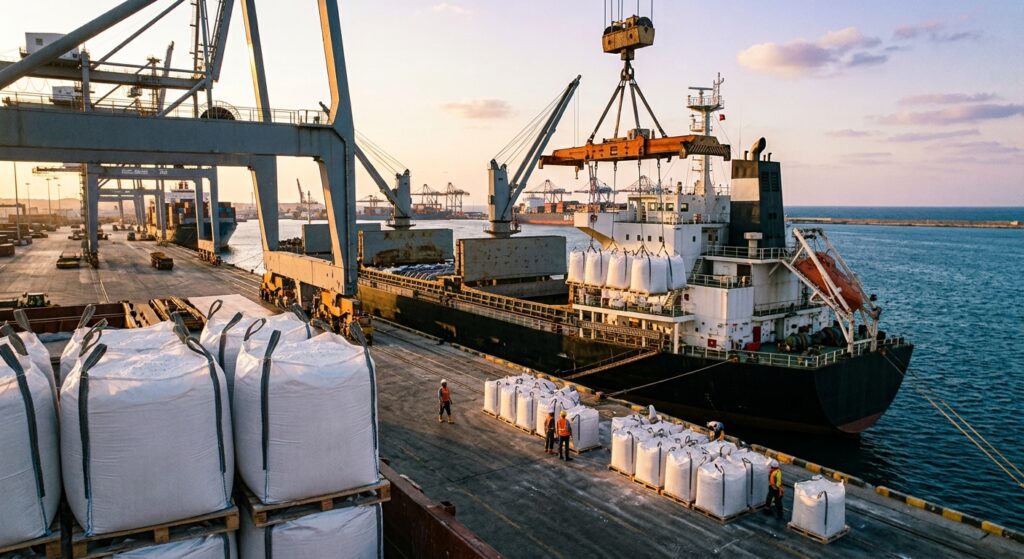
To ensure the sustainability and expansion of this export trend, a set of practical steps must be prioritized, including:
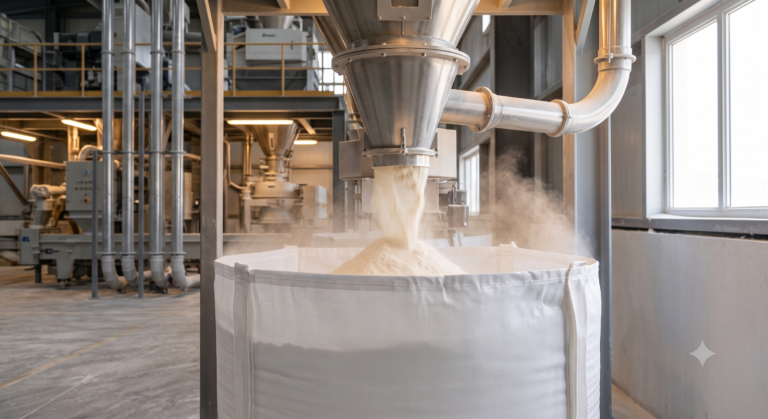
- Investing in modern production lines that raise output capacity and improve quality.
- Building stable trade partnerships with importers in targeted Arab markets.
- Participating in regional industrial exhibitions to showcase the quality of Syrian calcium carbonate.
If implemented comprehensively, these steps will help solidify Syria’s position as a trusted regional source of this vital material.
Frequently Asked Questions About Exporting Syrian Calcium Carbonate to Arab Countries:
1. What gives Syrian calcium carbonate a competitive advantage in Arab markets?
Syria combines an abundance of high-purity limestone deposits, accumulated industrial expertise in mineral extraction and processing, and geographic proximity to Arab markets that reduces transportation costs and delivery time — giving it a genuine competitive edge over suppliers located farther away.
2. What are the most promising Arab markets targeted for exporting the Syrian product?
Promising destinations include neighboring countries connected by direct land transport routes, as well as Gulf markets experiencing continuous growth in the construction and plastics manufacturing sectors, and North African markets that have begun seeking closer and more competitive supply sources.
3. What are the main challenges currently facing the export process?
Challenges include complications in transportation and customs clearance procedures at some border crossings, the need to modernize port and land crossing infrastructure, and the necessity of providing insurance and financial guarantees to reassure foreign importers.
4. How can Syrian calcium carbonate’s presence in Arab markets be strengthened going forward?
This requires investing in modern production lines to increase output capacity and improve quality, building stable trade partnerships with importers in target markets, and participating in regional industrial exhibitions to showcase the quality of the Syrian product.
Conclusion
Ultimately, exporting calcium carbonate from Syria to Arab countries represents a strategic opportunity that should not be overlooked.
It combines rich natural resources, accumulated industrial expertise, and a distinct geographic proximity to promising markets. Despite existing challenges, the path toward establishing a stronger regional presence for the Syrian product is both possible and realistic provided that investment continues in quality, infrastructure, and trade relationships.
In this way, Syria can reclaim its position as an active regional source of calcium carbonate, turning this material into a symbol of the return of national industry to the Arab and international stage.