Why Do Paint Manufacturers Rely on High-Purity Calcium Carbonate?
In the paint manufacturing industry, product quality depends heavily on the selection of raw materials. As consumer expectations continue to rise, manufacturers are constantly searching for ingredients that enhance performance while keeping production costs under control.
Among these materials, High-Purity Calcium Carbonate has become a key component in many paint formulations. It is no longer considered merely a filler; instead, it plays a crucial role in improving paint properties, durability, appearance, and production efficiency.
This article explores why paint manufacturers increasingly depend on high-quality calcium carbonate and how it contributes to better coatings and more competitive products.
What Is High-Purity Calcium Carbonate?
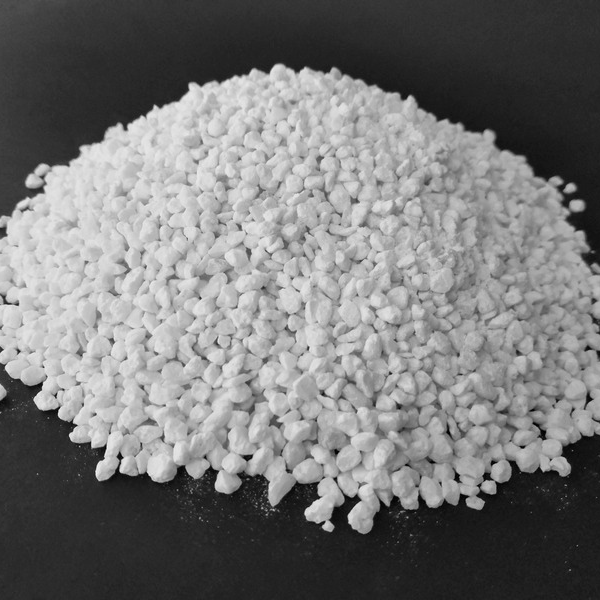
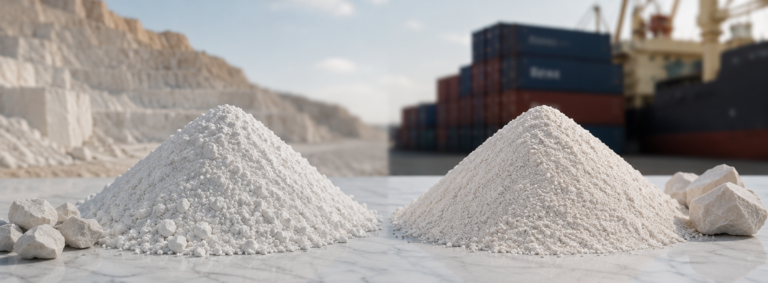
High-Purity Calcium Carbonate is a mineral material derived from limestone and marble deposits and processed to achieve extremely high CaCO3 content with minimal impurities.
Its main characteristics include:
• High whiteness level.
• Excellent chemical stability.
• Uniform particle distribution.
• Low moisture content.
• Superior compatibility with paint formulations.
These features make it ideal for modern paint manufacturing applications.
The Role of High-Purity Calcium Carbonate in Paint Manufacturing
Within paint formulations, calcium carbonate contributes to both technical and economic performance.
Its primary functions include:
• Improving coverage.
• Enhancing surface smoothness.
• Supporting coating strength.
• Improving color consistency.
• Assisting viscosity control.
Because of these benefits, it remains one of the most widely used materials in the global paint industry.

How Does It Improve Coating Quality?
High-quality calcium carbonate directly influences coating quality in several ways.
Better Coverage Performance
Fine particle distribution helps paint spread evenly across surfaces, reducing the number of coats required.
Smoother Finishes
The material contributes to refined textures and professional-looking surfaces.
Enhanced Color Stability
Its high whiteness improves color brightness and minimizes discoloration caused by impurities.
Improved Durability
It helps coatings withstand environmental conditions, moisture, and wear over time.
The Importance of Fillers in Paints
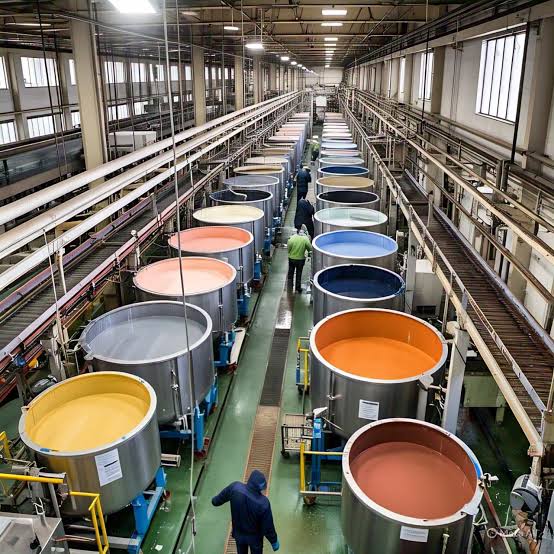
Fillers in paints play a major role in determining product performance.
Their benefits include:
• Improving mechanical properties.
• Controlling density and viscosity.
• Reducing overall formulation costs.
• Increasing scratch resistance.
• Supporting easier application.
Calcium carbonate remains one of the most effective filler materials available today.
Cost Reduction Benefits
Manufacturers also value industrial calcium carbonate for its ability to optimize production costs.
It helps:
• Reduce expensive raw material consumption.
• Improve manufacturing efficiency.
• Minimize production waste.
• Enhance storage stability.
• Increase overall productivity.
These advantages make it a strategic ingredient for large-scale paint production.
Why Purity Matters
Not all calcium carbonate grades deliver the same results.
Higher impurity levels may cause:
• Color inconsistencies.
• Reduced gloss.
• Product instability.
• Poor dispersion.
• Lower coating performance.
Therefore, premium paint manufacturers prioritize high-purity grades to ensure consistent quality.
Key Characteristics Required by Paint Manufacturers
When selecting calcium carbonate, manufacturers typically look for:
• High purity levels.
• Superior whiteness.
• Controlled particle size.
• Excellent dispersion properties.
• Long-term chemical stability.
These specifications contribute directly to superior coating performance.
Future Trends in Paint Manufacturing
As the industry evolves, demand for high-performance mineral additives continues to grow.
Future trends include:
• Sustainable paint production.
• Lower chemical consumption.
• Improved manufacturing efficiency.
• Longer-lasting coatings.
• Higher quality with lower production costs.
These developments further strengthen the importance of high-purity calcium carbonate in modern paint technology.
Conclusion
High-Purity Calcium Carbonate has become a vital component in modern paint production. It improves coating quality, enhances durability, reduces manufacturing costs, and supports consistent product performance. As paint technologies continue to advance, high-purity calcium carbonate will remain an essential ingredient for manufacturers seeking both quality and efficiency.
Frequently Asked Questions
• Why is high-purity calcium carbonate used in paints?
It improves coverage, whiteness, smoothness, durability, and production efficiency while helping reduce costs.
• Does purity affect paint quality?
Yes. Higher purity results in better color stability, improved appearance, and more consistent performance.
• What role do fillers play in paints?
Fillers improve physical properties, optimize costs, and enhance application performance.
• Is calcium carbonate used in all paint types?
It is widely used in decorative, industrial, and protective coatings due to its versatility.
• What properties should paint-grade calcium carbonate have?
High purity, excellent whiteness, controlled particle size, good dispersion, and chemical stability are the most important qualities.