Applications of Calcium Carbonate in the Plastic Industry and Product Quality Enhancement
Calcium carbonate is one of the most important additives used in modern plastic manufacturing. It plays a significant role in improving product quality, reducing production costs, and enhancing the physical properties of finished plastic products. As industrial technologies continue to advance, calcium carbonate has become an essential material for manufacturers seeking to produce stronger, more efficient, and cost-effective plastic products, particularly in industries that demand high-quality standards and precise specifications.
The Importance of Calcium Carbonate in the Plastic Industry

Calcium carbonate is widely used as a functional additive in plastic manufacturing due to its ability to improve the performance and quality of finished products.
Reducing Production Costs
Calcium carbonate helps decrease the consumption of expensive raw materials, lowering overall manufacturing costs.
Improving Product Properties
It enhances the rigidity, strength, and durability of plastic products.
Enhancing Heat Resistance
The addition of calcium carbonate improves the ability of plastics to withstand elevated temperatures.
Improving Surface Appearance
It provides smoother surfaces and contributes to a more attractive finish.
How Plastic Fillers Improve Product Quality
Plastic fillers are essential components used to enhance the technical performance of plastic products.
Increased Rigidity
Fillers improve the structural strength and load-bearing capacity of plastic materials.
Reduced Shrinkage
They help maintain product dimensions and stability during manufacturing.
Better Material Distribution
Fillers contribute to a more uniform distribution of materials throughout the product.
Supporting Sustainability
By reducing the consumption of primary raw materials, fillers help improve resource efficiency and sustainability.
Types of Calcium Carbonate Used in Plastic Manufacturing
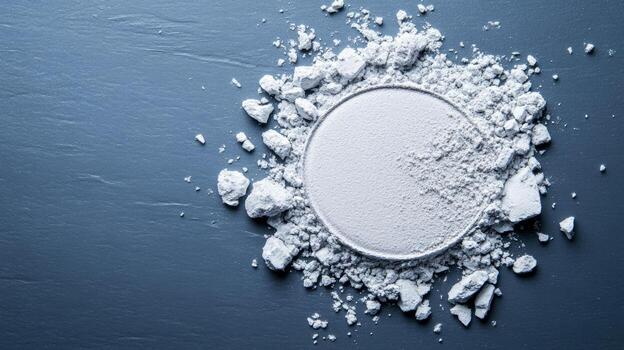
Different grades of calcium carbonate are used depending on the application and desired product characteristics.
Ground Calcium Carbonate (GCC)
The most commonly used type due to its affordability and versatility.
Surface-Treated Calcium Carbonate
Offers superior compatibility with polymer matrices and improved processing performance.
Ultrafine Calcium Carbonate
Used in high-quality applications requiring enhanced surface finish and mechanical properties.
Specialty Industrial Grades
Designed for advanced technical applications with specific performance requirements.
The Role of Ground Calcium Carbonate in Improving Plastic Quality
Ground calcium carbonate is extensively used in plastic manufacturing because of its ability to enhance product performance.
Improved Dimensional Stability
It helps prevent warping and deformation in plastic products.
Increased Impact Resistance
Plastic products become more resistant to pressure, stress, and long-term use.
Enhanced Printability
It creates surfaces that are more suitable for printing, labeling, and packaging applications.
Reduced Product Weight
Certain formulations can help optimize weight while maintaining performance characteristics.
Key Industries That Rely on Calcium Carbonate
Calcium carbonate has become indispensable in a wide range of plastic manufacturing sectors.
Plastic Pipe Manufacturing
Used to improve durability, strength, and service life.
Packaging Production
Enhances rigidity while reducing material costs.
Plastic Bag Manufacturing
Improves product quality and helps reduce polymer consumption.
Household Products
Used to produce stronger, more durable consumer goods.
Benefits of Improving Plastic Quality with Calcium Carbonate
The use of calcium carbonate offers advantages for both manufacturers and end products.
Increased Production Efficiency
It facilitates processing, molding, and manufacturing operations.
Reduced Equipment Downtime
Stable processing characteristics help maintain efficient production lines.
Extended Product Lifespan
Plastic products become more durable and resistant to wear.
Enhanced Market Competitiveness
Manufacturers can deliver high-quality products at competitive prices.
Challenges of Using Calcium Carbonate in Plastics
Despite its many benefits, manufacturers should consider several factors to achieve optimal results.
Selecting the Appropriate Grade
Low-quality calcium carbonate can negatively affect product performance.
Poor Dispersion in the Compound
Uneven distribution may weaken certain mechanical properties.
Polymer Compatibility Issues
Some applications require treated calcium carbonate for improved compatibility.
Variations in Particle Size
Particle size influences surface quality, appearance, and overall performance.
The Future of Calcium Carbonate in Plastic Industries
As plastic manufacturing technologies continue to evolve, the demand for performance-enhancing additives such as calcium carbonate is expected to grow.
Development of More Sustainable Materials
Manufacturers are seeking solutions that reduce environmental impact and improve resource efficiency.
Advanced Processing Technologies
New production techniques are improving performance and product quality.
Supporting Modern Industries
Calcium carbonate is increasingly used in sectors such as automotive manufacturing and advanced packaging.
Growing Global Demand
The rising need for high-quality plastic products continues to drive worldwide demand for calcium carbonate.
Frequently Asked Questions (FAQs)
Why is calcium carbonate used in plastic manufacturing?
It helps reduce production costs while improving the physical and mechanical properties of plastic products.
What is the difference between ground and surface-treated calcium carbonate?
Surface-treated calcium carbonate offers better compatibility with polymers and often delivers superior performance in specialized applications.
Does calcium carbonate affect plastic quality?
Yes. It can improve durability, dimensional stability, impact resistance, and surface appearance when properly incorporated.
Which industries use calcium carbonate the most?
Major users include plastic pipe manufacturers, packaging producers, plastic bag manufacturers, and household goods manufacturers.
Conclusion
As modern manufacturing continues to evolve, calcium carbonate has become a critical component in the plastic industry for improving product quality and increasing production efficiency. Beyond reducing costs, it enhances durability, strength, stability, and overall product performance. With ongoing technological advancements and growing demand for sustainable manufacturing solutions, calcium carbonate is expected to play an even greater role in shaping the future of high-performance plastic products worldwide.