Calcium Carbonate in Animal Feed Manufacturing:
A Fundamental Pillar for Balanced Nutrition and Sustainable Production:
In a world where livestock production demands are accelerating, and farmers increasingly need effective solutions that combine quality with reasonable cost, calcium carbonate stands out in the animal feed industry as one of the most indispensable components.
This natural material , simple in composition yet rich in benefits, forms the cornerstone of comprehensive nutrition programs that support animal health and boost productivity, whether in poultry farms, livestock herds, or fish farming ponds.
Because informed buyers always seek reliable sources and well-researched scientific solutions, understanding the role of calcium carbonate in animal feed manufacturing opens new horizons for improving feed quality and increasing the economic return on agricultural and livestock investment.
First: A Primary Source of Calcium and Skeletal Support :
Calcium carbonate is the most common and effective source for providing animals with the calcium necessary to build strong bones and healthy teeth.
Among its most notable benefits in this regard:
- Strengthening the skeletal structure: Supports proper bone growth in both young and mature animals.
- Improving eggshell quality: Widely used in poultry farms to ensure shell hardness and reduce breakage rates.
- Preventing calcium-deficiency diseases: Such as osteoporosis and rickets, especially in high-production poultry.
- Supporting metabolic function: Calcium plays a central role in regulating nerve and muscle function.
For this reason, calcium carbonate in animal feed manufacturing is regarded as a long-term health investment rather than a passing additive.
Second: Boosting Productivity and Economic Efficiency :
One of the most notable features of using calcium carbonate in animal feed is that it’s an exceptionally economical material providing high nutritional value at a relatively low cost compared to other calcium sources. Its economic advantages include:
- Reducing production costs without negatively affecting feed quality or animal health.
- Increasing growth rates in young animals, positively reflecting on the speed of the production cycle.
- Improving the feed conversion ratio, so animals derive greater benefit from every unit of feed consumed.
- Extending the productive lifespan of animals, particularly laying hens and dairy cows.
Third: Regulating Acidity and Improving Digestion :
The benefits of calcium carbonate in animal feed aren’t limited to skeletal support they extend to improving the animal’s digestive environment through:
- Regulating pH levels in the digestive tract, creating an ideal environment for beneficial bacteria.
- Improving the absorption of other nutrients such as phosphorus and magnesium.
- Reducing diarrhea and intestinal disorders caused by acid imbalance.
- Supporting rumen health in ruminants, improving feed fermentation efficiency.
Fourth: Quality Standards for Choosing the Right Source :
Given the importance of calcium carbonate in animal feed manufacturing, choosing a high-quality source is a critical step to ensure full benefit from its properties.
Customers are advised to consider the following points when contracting with suppliers:
- High purity levels, free from impurities and heavy metals.
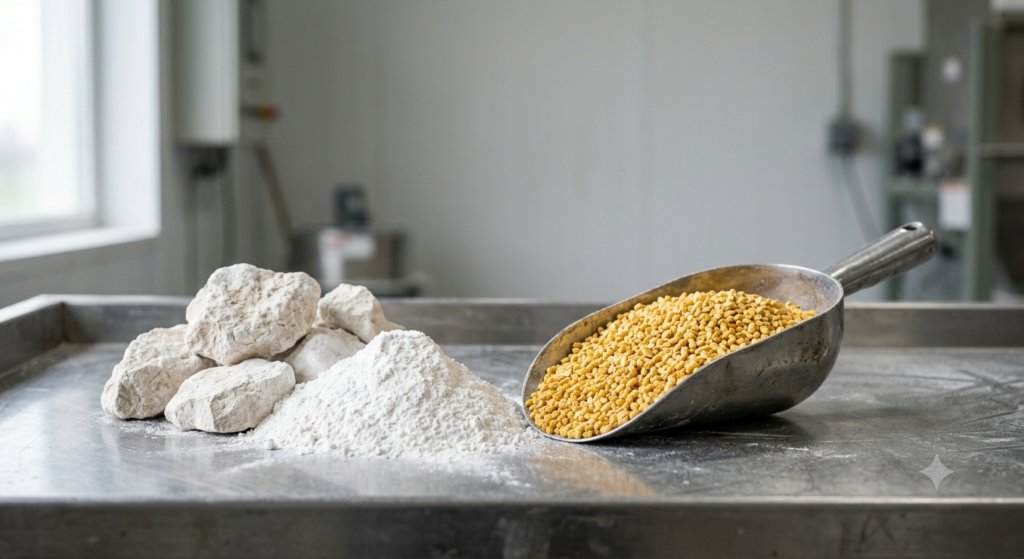
- Appropriate particle size, which directly affects the dissolution and absorption rate.
- Certifications and technical compliance documents ensuring the material meets animal feed safety standards.
- Supply stability, to ensure uninterrupted production lines.
This is where the real importance lies in understanding the applications of calcium carbonate in animal feed manufacturing in a scientific and precise manner , enabling farmers to make more informed and sustainable investment decisions.
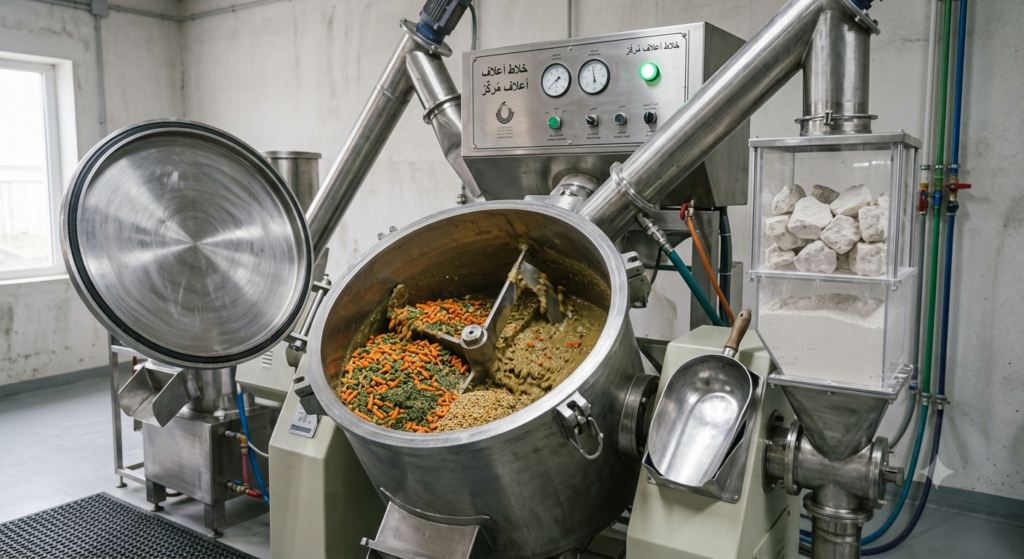
Fifth: Optimal Usage Methods by Animal Type:
The appropriate dosage of calcium carbonate in animal feed varies depending on the animal type, age, and production stage, requiring precise application to achieve the best results:
- Broiler chickens: Added in moderate proportions during early life stages to support growth without affecting feed conversion efficiency.
- Laying hens: Require higher proportions, especially in the afternoon period, to coincide with eggshell formation.
- Dairy cows: Used in calculated amounts within the daily ration to support milk production and prevent postpartum milk fever.
- Fish and aquatic species: Added in very precise proportions, given the sensitivity of the aquatic environment to any mineral imbalance.
The core principle remains that overuse or underuse of calcium carbonate in animal feed can disrupt nutritional balance rather than improve it. Adhering to expert recommendations and carefully calculated dosages is the real guarantee for achieving the best production and health outcomes.
Conclusion :
Investing in a component that’s simple in form yet immense in impact ,like calcium carbonate in animal feed manufacturing , reflects the maturity of production vision among both farmers and agricultural companies alike.
This material isn’t just a routine additive; it’s a strategic partner in achieving optimal nutritional balance, which directly translates into productivity and profitability.
Practical tip:
Before purchasing any batch of feed or supplements, be sure to request a laboratory analysis showing the concentration and purity of the material used. Don’t hesitate to consult an animal nutrition specialist to determine the optimal ratio suited to the type of herd or flock you raise. Precision in these small details is what makes the real difference in production quality over the long term , and it’s what makes calcium carbonate in animal feed manufacturing a strategic choice for every ambitious farmer.