Calcium Carbonate in the Cosmetics Industry: Uses, Benefits, and Safety
Calcium Carbonate in the Cosmetics Industry holds a pivotal position. It is an unassuming ingredient that plays an essential role in a product’s quality, texture, and appearance.
When you open a compact of powder or squeeze toothpaste onto your brush, you are handling a white powder that is extracted from nature and carefully processed into a key building block of the beauty world.
Its value lies in combining safety, effectiveness, and reasonable cost, which makes it a favorite among manufacturers worldwide.
Here we explore the journey of this ingredient, from its natural origin to its varied uses, and answer the most common questions about it.
What Is Calcium Carbonate and How Is It Produced?
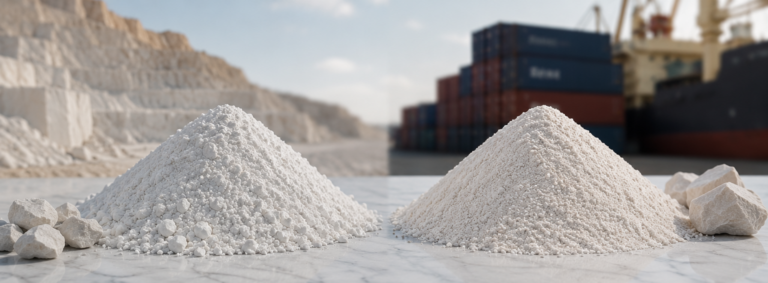
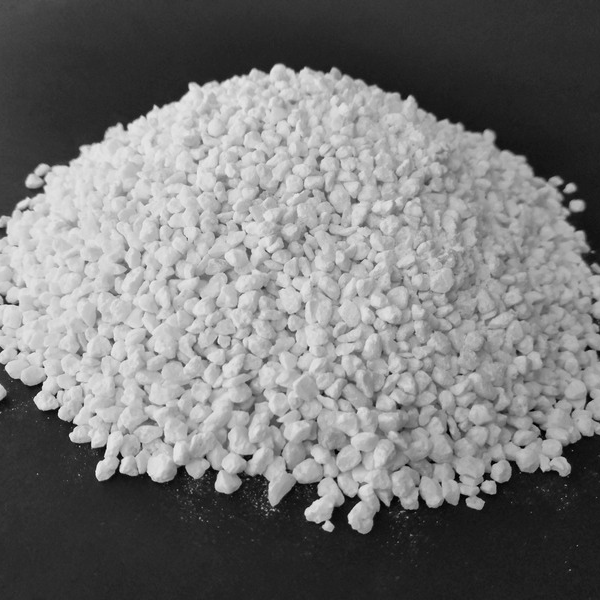
Calcium carbonate is a mineral compound with the chemical formula CaCO₃. It occurs naturally in limestone, marble, and chalk, and it is also a component of marine shells. It is produced in two main forms:
- Ground Calcium Carbonate (GCC): extracted from rock, then ground and purified to the required fineness.
- Precipitated Calcium Carbonate (PCC): manufactured chemically with precise control over particle size and shape, offering higher purity and greater whiteness.
The choice between the two depends on the nature of the final product and the specifications the manufacturer aims to achieve.
Properties That Make It Suitable for Cosmetics
This material has physical and chemical characteristics that explain its wide adoption, which is why Calcium Carbonate in the Cosmetics Industry appears across many product categories:
- High whiteness: gives products a bright, clean color.
- Absorbency: absorbs excess oil and moisture, creating a dry, matte feel.
- Chemical inertness: does not react easily with other ingredients, keeping the formula stable.
- Safety: considered safe for topical use within approved concentrations.
- Low cost: reduces production costs without sacrificing quality.

Uses of Calcium Carbonate in the Cosmetics Industry
This ingredient is used in a wide range of personal care products, as the following applications show.
1. Toothpaste
It acts as a gentle abrasive that removes stains, food residue, and surface plaque without damaging tooth enamel, provided the particles are the right size.
2. Face Powders and Foundation
It absorbs sebum and gives the skin a uniform matte appearance, while also helping makeup last longer.
3. Lipstick and Wax-Based Products
It serves as a filler that improves texture, enhances coverage, and helps the product hold its shape.
4. Skin Exfoliants
Its fine particles provide gentle mechanical exfoliation that removes dead skin cells and leaves the skin looking fresh.
5. Deodorants and Scented Powders
It helps absorb moisture and reduces the sticky feeling, leaving a refreshed, dry sensation.
Its Role in Improving Texture and Appearance
The ingredient’s role is not limited to technical function; it extends to the consumer’s sensory experience. It gives products a smooth glide during application, boosts their coverage, and improves their consistency so they do not feel heavy or greasy. This is why the presence of Calcium Carbonate in the Cosmetics Industry is directly tied to user satisfaction with a product’s feel and staying power.

Quality and Safety Standards
To ensure safe use, manufacturers should follow a set of standards, since success depends on the quality of the grade selected:
- Choose a purity grade designed for cosmetic or pharmaceutical use (Cosmetic Grade).
- Make sure it is free of impurities and heavy metals.
- Adjust particle size to suit the type of product.
- Comply with local and international regulations, such as European regulations and the standards approved by health authorities.
- Conduct stability and compatibility tests with the other ingredients in the formula.
Future Outlook and Sustainability Trends
The beauty sector is moving toward natural and sustainable ingredients, and here this material keeps its standing: it is abundant, mineral in origin, and relatively biodegradable. Companies are also exploring nano-sized and surface-coated particles to improve performance and broaden applications. The growing interest in Clean Beauty products offers a new opportunity to strengthen Calcium Carbonate in the Cosmetics Industry as a simple, reliable mineral alternative.
Frequently Asked Questions
1. Is calcium carbonate safe for the skin?
Yes. It is considered safe for topical use within the approved concentrations in cosmetic formulations, provided it is of suitable purity. People with very sensitive skin may experience mild dryness if they overuse products containing high levels of it, so it is advisable to patch-test a product on a small area first.
2. What is the difference between natural and precipitated calcium carbonate?
The natural type is extracted from rock and ground, while the precipitated type is made chemically and offers higher purity and more uniform particle size and shape. Precipitated is often preferred in products that require high whiteness and a very smooth feel.
3. Does it clog pores?
Generally, no. It is not usually classified as a pore-clogging ingredient when used at moderate concentrations. However, responses vary from person to person, and the other ingredients in a product also affect the final result.
4. Does it harm tooth enamel in toothpaste?
Not if the particle size and hardness are appropriate. It is a relatively gentle abrasive compared with some other materials, and manufacturers carefully tune its properties for effective cleaning without causing harmful scratches.
Conclusion
Calcium carbonate proves that the simplest ingredients can be the most impactful. It raises product quality, gives a comfortable texture and an elegant look, and maintains safety and affordability at the same time.
With growing demand for clean and sustainable formulations, Calcium Carbonate in the Cosmetics Industry will remain a central element that supports innovation and meets the expectations of the modern consumer.
For ambitious manufacturers, investing in the right grade and strict quality control is the first step toward a product that earns market trust and customer loyalty.