The Future of the Calcium Carbonate Industry in the Middle East: From Raw Material to Added Value
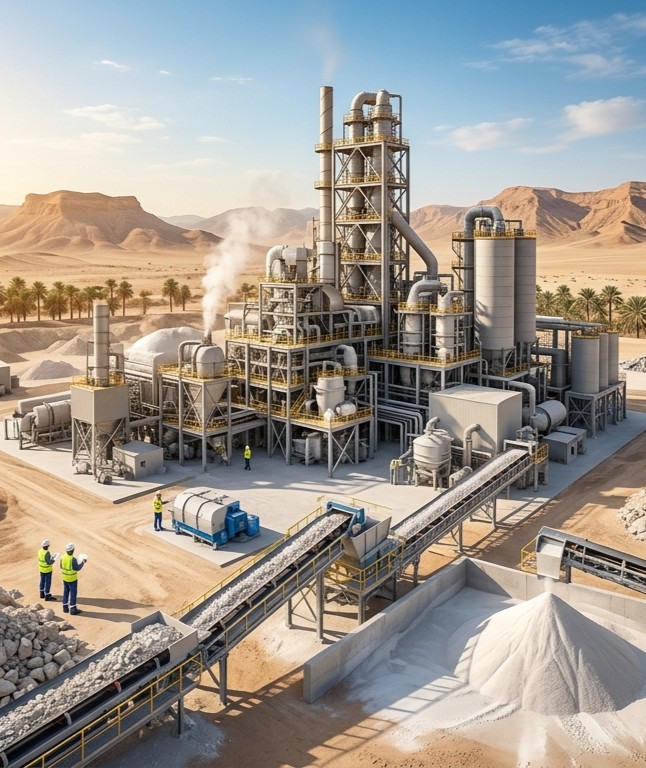
The calcium carbonate industry in the Middle East stands today on the threshold of a new phase. After decades of settling for exporting limestone and raw powder, the region has begun to view this mineral as a strategic material used in plastics, paper, paints, pharmaceuticals, and construction materials.
With expanding cities, growing industrial investment, and the emergence of ambitious economic visions that seek to diversify sources of income, the opportunity is ripe to build a more advanced and competitive sector.
But the future is not built on abundant raw materials alone. The difference is made by those who know how to move from simple grinding to specialized grades, and who invest in quality, technology, and sustainability.
Here we review the region’s strengths, the drivers of demand, technical trends, and challenges, then offer practical steps for anyone who wants to be part of this transformation.
First: The Strengths the Region Possesses
The region holds winning cards that are rarely found together in one place:
- Abundant raw materials: Deposits of limestone, marble, and dolomite are spread across several countries, including Saudi Arabia, Egypt, Jordan, Oman, and the UAE, providing a nearby source of raw material.
- Strategic location: The region lies at the meeting point of Asia, Europe, and Africa, which makes it easier to reach export markets through advanced ports.
- Energy: The availability of relatively competitively priced energy in a number of Gulf countries is an important advantage for a sector that relies on grinding and drying.
- Government support: Economic diversification programs, including Saudi Vision 2030, place mining and manufacturing industries at the heart of their plans.
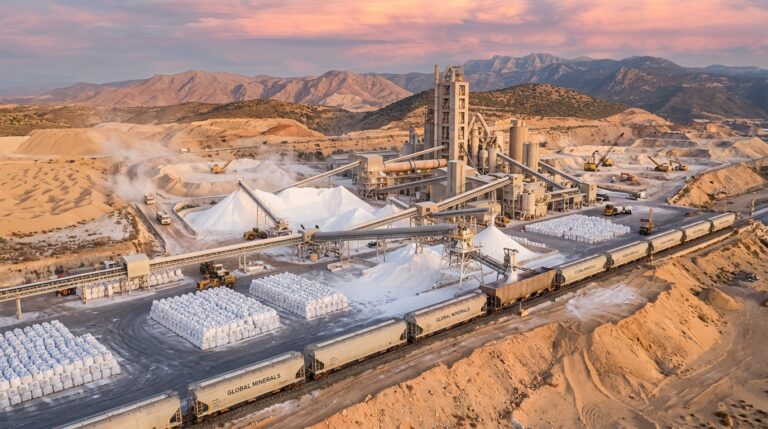
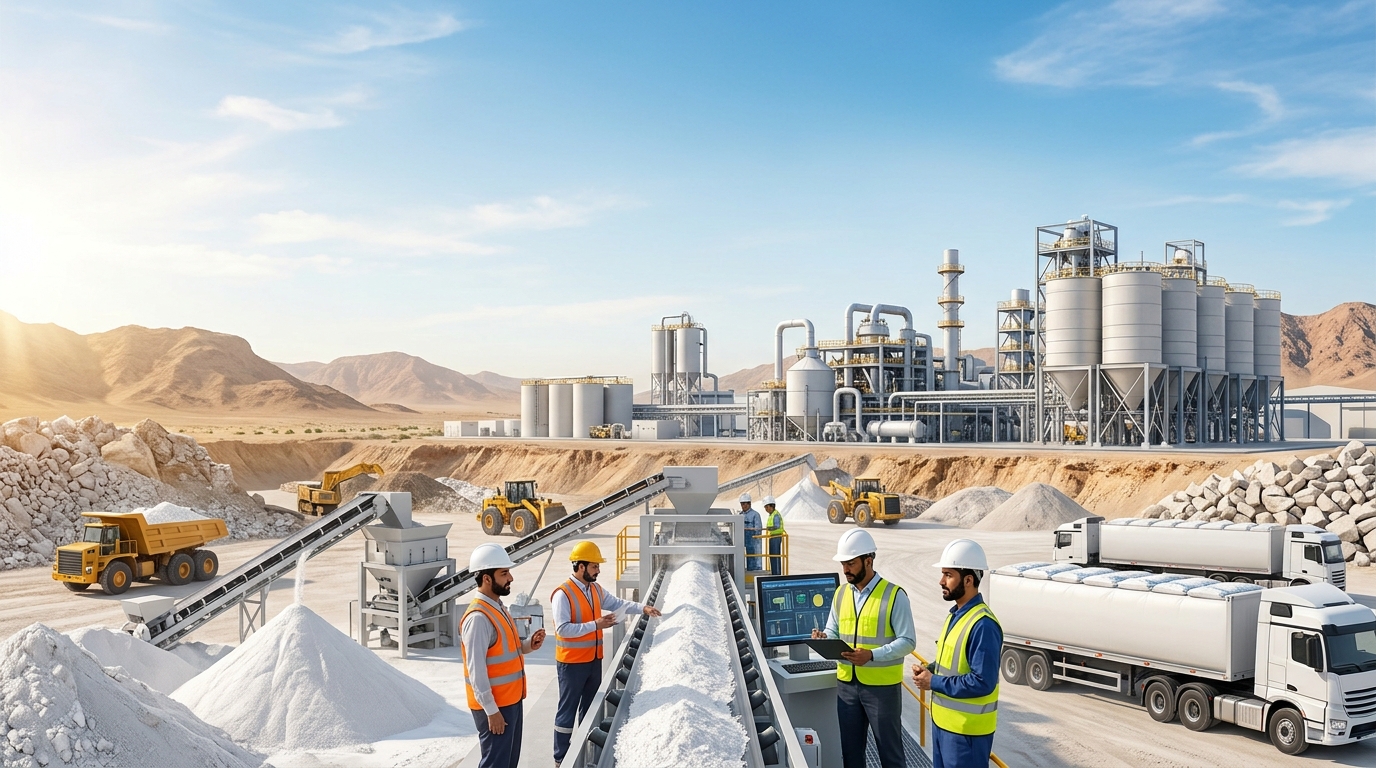
The calcium carbonate industry benefits from these advantages combined, as material and transport costs fall and opportunities widen for building integrated industrial clusters that link the quarry, the factory, and the end consumer.
Second: Drivers of Growing Demand
A number of strong sectors stand behind the growth in consumption:
- Construction and giant projects: New cities, tourism projects, and infrastructure need mortars, adhesives, tiles, and ready-made putties, all of which consume large quantities of calcium carbonate.
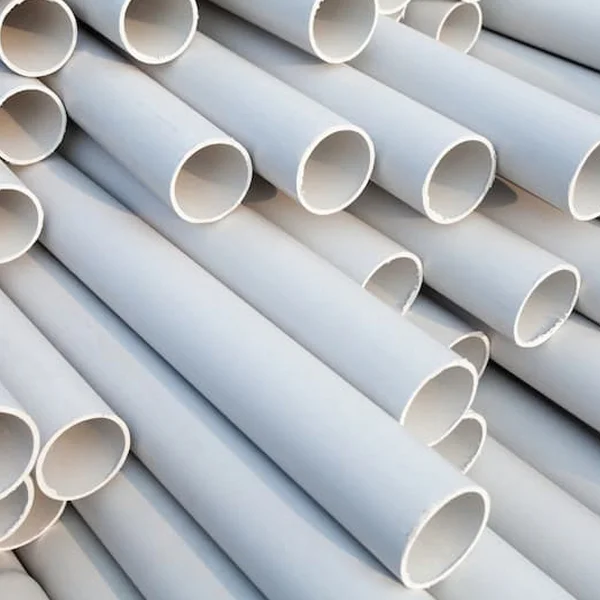
- Plastics and packaging: Demand is growing for bags, films, and pipes, applications that rely on carbonate-filled masterbatch.
- Paper and cardboard: The boom in e-commerce raises demand for cardboard boxes and packaging.
- Paints and coatings: Urban expansion drives demand for paints with better quality and coverage.
- Pharmaceuticals, food, and supplements: Growing health awareness increases consumption of calcium supplements and fortified products.
- Agriculture and animal feed: The mineral is used in animal nutrition and soil improvement.
As these sectors expand, the calcium carbonate industry finds itself facing demand that looks for consistent quality and specialized grades, not just volumes.

Third: The Shift Toward Added Value and Advanced Technologies
The most important trend is the move from selling raw powder to providing solutions designed for each application:
- Surface-treated grades: Improve compatibility with polymers and reduce moisture absorption.
- Ultra-fine powder: Required in paper coating and high-quality paints.
- Precipitated calcium carbonate (PCC): Offers higher purity, whiteness, and uniformity, and opens the doors to premium pharmaceutical and paper markets.
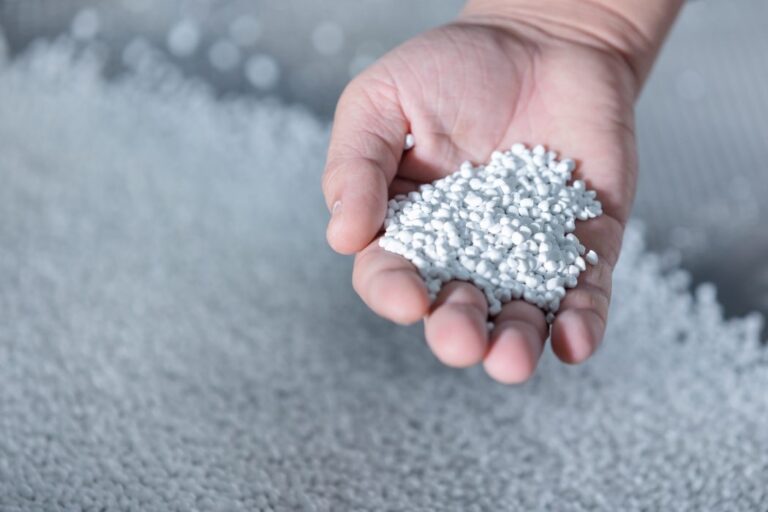
- Masterbatch and ready-made compounds: Move the factory from a material supplier to a partner in manufacturing.
- International accreditations: Quality, food safety, and pharmaceutical certificates give the product acceptance in foreign markets.
In this way, the calcium carbonate industry shifts from a model based on volume to a model based on value, so profit margins rise and dependence on raw material price fluctuations declines.
Fourth: Sustainability as a Competitive Advantage
Sustainability is no longer a marketing slogan. It has become a requirement demanded by major buyers:
- Energy efficiency: Upgrading grinding and drying equipment reduces both consumption and cost.
- Renewable energy: The region’s abundant sunshine makes it possible to run factories on clean sources.
- Water and dust management: A necessity in a desert environment where water is scarce.
- Quarry rehabilitation: Improves the company’s image and serves surrounding communities.
- Circular economy: Some PCC production technologies use carbon dioxide as a raw material, opening the door to integration with carbon capture projects.
Fifth: Challenges to Be Faced
A promising future is not free of obstacles:
- Import competition: Asian products put pressure on prices, especially in common grades.
- Quality variation: Batch consistency is still a weak point for some producers.
- Skills shortage: The sector needs engineers and technicians specialized in grinding and surface-treatment technologies.
- Transport cost: The material is bulky and low in value, so factories must be located close to quarries or markets.
- Specifications: Reaching pharmaceutical and food markets requires investment in laboratories and traceability.
Sixth: How Can Companies Prepare for the Next Phase?
To benefit from this opportunity, companies can follow these steps:
- Define the target market segment: Focus on one or two sectors instead of trying to serve everyone.
- Invest in the laboratory and quality: Measuring particle distribution and whiteness is the foundation of trust.
- Develop specialized grades: Surface treatment and ultra-fine grinding give you an advantage that is hard to copy.
- Link production to clean energy: Reducing the carbon footprint opens the door to major contracts.
- Build partnerships: With plastics, paper, and paint manufacturers to develop joint solutions.
- Train local talent: Technical skill is the one asset that cannot be imported.
Frequently Asked Questions
1. What makes the calcium carbonate industry in the Middle East promising?
It brings together available raw materials, a geographic location close to three continents, a variety of consuming sectors, and government support for mining and manufacturing projects. This is complemented by growing demand in construction, packaging, and paints.
2. Which sectors will lead demand in the future?
Construction and infrastructure lead, followed by plastics and packaging supported by e-commerce, then paints and paper. Pharmaceutical and food uses are also expected to grow as health awareness rises.
3. Can regional factories compete with Asian imports?
Yes, if they do not compete on price alone. Factories that offer consistent quality, specialized grades, fast delivery, and local technical support hold an advantage that is hard for an importer to match.
4. What are the most important investments new companies should focus on?
The priority is modern grinding and classification equipment, a fully equipped quality laboratory, surface treatment for grades aimed at plastics, and energy and water solutions. After that, companies can expand toward precipitated or pharmaceutical grades.
Conclusion
The Middle East stands before a real opportunity to redefine its role in the industrial minerals market.
The calcium carbonate industry in the region is capable of moving from a raw material supplier to an industrial partner offering high-value solutions, provided it is built on quality, technology, and sustainability.
Whoever begins today by investing in talent, modern equipment, and smart partnerships will be in a leading position when the market expands and competition intensifies.
The future does not wait for the hesitant, and it rewards those who see in simple limestone a material capable of building an advanced industry.