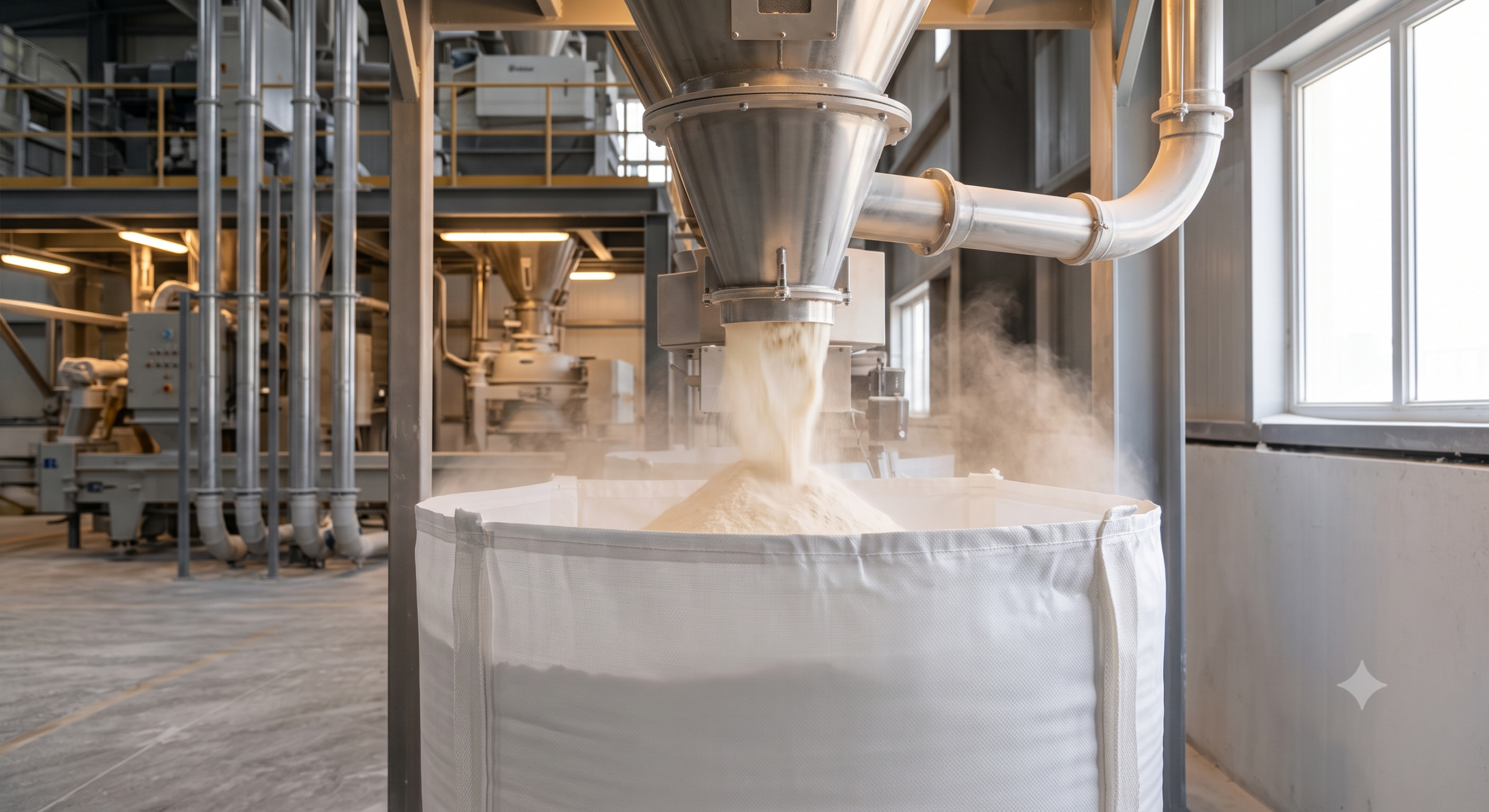
Calcium Carbonate Powdered vs Treated: Which Is Better for Industry?
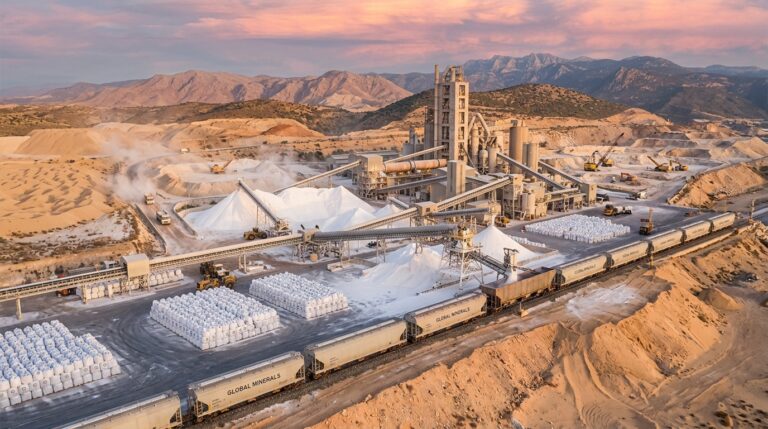
Calcium Carbonate Powdered and Treated materials are among the most important industrial raw materials used across multiple sectors such as plastics, paints, paper, rubber, construction, and coatings. With increasing industrial demand for higher efficiency and better product performance, the decision between powdered and treated calcium carbonate has become a key factor influencing manufacturing outcomes.
This article provides a detailed comparison between the two types, explains their differences, highlights their applications, and helps determine which option is better suited for different industrial needs.
What Is Calcium Carbonate Powdered?
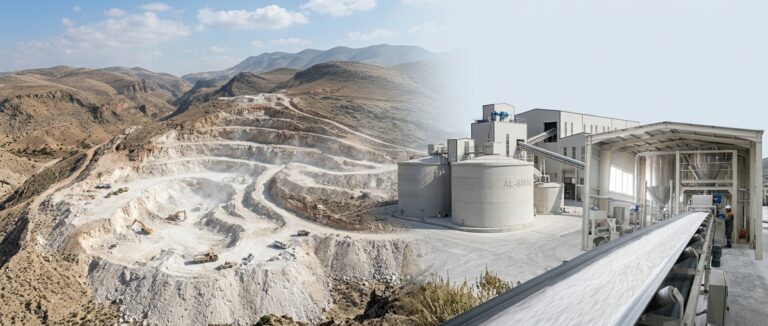
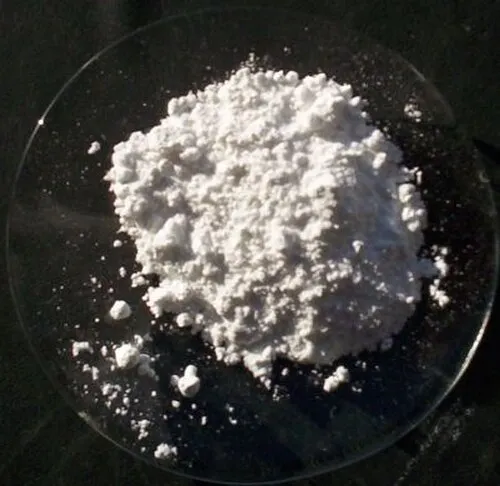
Calcium Carbonate Powdered is the basic form of calcium carbonate obtained by mechanically grinding limestone without significant chemical processing. It is widely used due to its availability and low production cost.
Key Characteristics:
- Low production cost
- Irregular particle size distribution
- May contain natural impurities
- Suitable for general industrial applications
Main Applications:
- Construction materials
- Cement production
- Low-grade plastics
- Agricultural applications
What Is Treated Calcium Carbonate?
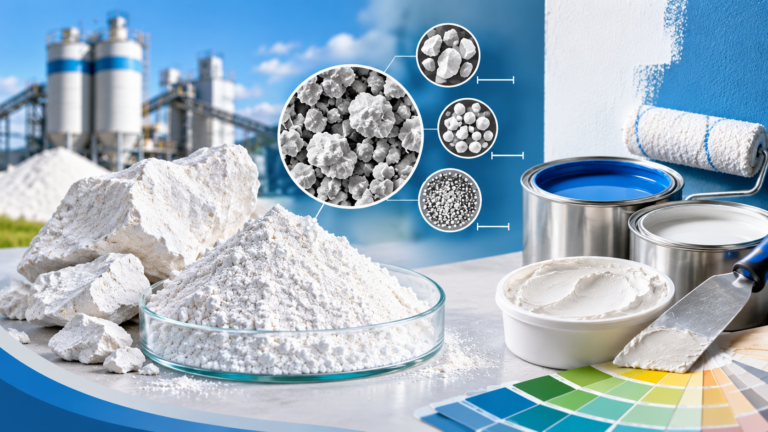
Treated Calcium Carbonate undergoes additional processing steps such as surface treatment, purification, and particle size control to improve performance and compatibility with industrial materials.
Key Characteristics:
- High purity level
- Uniform particle distribution
- Surface treatment for better dispersion
- Stable performance in advanced applications
Main Applications:
- High-quality plastics
- Paints and coatings
- Paper industry
- Pharmaceutical applications
Comparison Between Powdered and Treated Calcium Carbonate
When analyzing Calcium Carbonate Powdered and Treated, the differences go beyond cost and include performance, consistency, and application suitability.
Quality
- Powdered: Medium to low consistency depending on source
- Treated: High and stable quality
Cost
- Powdered: Low cost
- Treated: Higher cost due to additional processing
Performance
- Powdered: Suitable for basic applications
- Treated: Ideal for precision and high-performance industries
Applications
- Powdered: Construction, cement, general use
- Treated: Plastics, coatings, high-end manufacturing
Industrial Uses of Calcium Carbonate and Their Impact
The Industrial Uses of Calcium Carbonate vary widely depending on product requirements. Each industry demands different levels of purity, particle size, and chemical stability.
For example:
- In plastics, treated calcium carbonate improves flexibility and strength.
- In paints, it enhances opacity and surface finish.
- In construction, powdered calcium carbonate reduces production costs effectively.
Calcium Carbonate Quality and Its Role in Production
Calcium Carbonate Quality plays a critical role in determining production efficiency and final product performance. Higher quality leads to reduced waste and improved product consistency.
Key Quality Factors:
- Purity level
- Particle size distribution
- Moisture content
- Surface treatment quality
Which One Is Better for Industry?
The answer depends on industrial requirements:
- If cost reduction is the priority → powdered calcium carbonate is better.
- If product quality and performance are the priority → treated calcium carbonate is the better choice.
In practice, industries often balance both factors depending on production goals.
Economic Advantages of Each Type
Powdered Calcium Carbonate:
- Lower production cost
- Widely available
- Suitable for large-scale basic production
Treated Calcium Carbonate:
- Higher product efficiency
- Reduced waste in production
- Improved final product value
Future Trends in Calcium Carbonate Applications
With industrial advancement, demand for treated calcium carbonate is increasing due to the need for high-performance materials. However, powdered calcium carbonate will remain essential in construction and bulk manufacturing industries.
Conclusion
Calcium Carbonate Powdered and Treated both play essential roles in modern industries. Powdered calcium carbonate offers cost advantages, while treated calcium carbonate provides superior quality and performance. The choice between them depends on the balance between cost efficiency and product requirements.
Frequently Asked Questions
• What is the main difference between powdered and treated calcium carbonate?
Powdered calcium carbonate is cheaper and less refined, while treated calcium carbonate is more purified and suitable for advanced applications.
• Which type is better for plastic manufacturing?
Treated calcium carbonate is preferred because it improves product strength, flexibility, and quality.
• Does calcium carbonate quality affect production cost?
Yes, higher quality improves efficiency but increases raw material cost.
• Can both types be used together?
Yes, many industries mix both types to balance cost and performance.
• Why do industries prefer treated calcium carbonate?
Because it provides consistent performance, better dispersion, and higher-quality end products.