The Effect of Calcium Carbonate on Foods: Its Role and Health and Industrial Benefits
Introduction
The effect of calcium carbonate on foods is important for improving quality, increasing nutritional value, and enhancing the physical properties of food products. Al-Siraj Factory for Calcium Carbonate Production in Syria stands out as a reliable supplier in this field.
Natural mineral materials play an important role in the food industry because they help improve the nutritional and physical properties of products. The effect of calcium carbonate on foods is a vital topic, as this material is widely used in food products such as milk, dairy products, dietary supplements, and baked goods.
Al-Siraj Factory for Calcium Carbonate Production in Syria is one of the leading suppliers providing high-quality calcium carbonate suitable for food and industrial use, ensuring the required safety and quality in food products.
What Is Calcium Carbonate and Why Is It Used in Food?

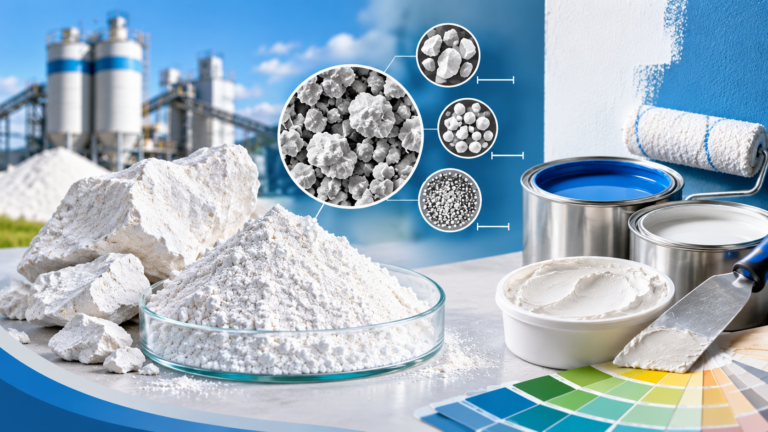
Calcium carbonate is a natural compound often extracted from limestone. It has several properties that make its use in food safe and effective, including:
Increasing the calcium content of food products
Improving the texture of food and supplements
Enhancing product stability during storage
Using it as an acidity regulator or pH modifier
These properties make it an ideal choice for enriching food products with calcium without affecting taste or texture.
Benefits of Calcium Carbonate in Food

1. Enhancing Nutritional Value
Adding calcium carbonate to food helps increase calcium content, an essential mineral for healthy bones and teeth. It is important for both children and adults.
2. Improving Texture and Mouthfeel
Calcium carbonate is used to improve texture in food products such as dietary supplements, sweets, and some beverages, making them more acceptable to consumers.
3. Adjusting Acidity in Foods
Calcium carbonate can be used as a substance to control the pH level of food products, helping preserve their quality for longer and reducing spoilage.
4. Supporting Manufacturing Processes
In the food industry, calcium carbonate is used to facilitate mixing, heating, and baking processes. It also improves product stability during storage and transportation.
Practical Applications of Calcium Carbonate in Foods
Dietary supplements: Calcium carbonate is an excellent source of calcium in tablets and supplements for children and adults.
Milk and dairy products: It improves calcium content and enhances milk stability.
Baked goods: It helps adjust texture and improve baking performance.
Beverages: It adjusts pH levels and increases nutritional value.
Food pastes and sweets: It improves texture and adds smoothness to the final product.
Quality of Food-Grade Calcium Carbonate
To achieve the best results, high-quality calcium carbonate should be used, ensuring:
Purity of the material and freedom from impurities
Consistency of texture and particle size
Compliance with international food standards
Compatibility with different applications
This is where Al-Siraj Factory for Calcium Carbonate Production in Syria plays an important role by providing a reliable, high-quality product for food and industrial use.
The Role of the Local Factory in Supporting Food Industries
Relying on a local supplier such as Al-Siraj Factory for Calcium Carbonate Production in Syria offers several advantages:
Fast supply and meeting the needs of local factories
Reducing shipping and import costs
Flexibility in providing the required quantities
Supporting national industries and enhancing their sustainability
This ensures that food industries obtain a reliable raw material of high quality at suitable prices.
Safety and Compliance with Standards
Calcium carbonate used in food must comply with:
Food safety standards
Requirements of local and international health authorities
Freedom from harmful substances
Regular quality testing
Compliance with these standards is essential to ensure that the effect of calcium carbonate on foods is safe and effective.
Conclusion
The effect of calcium carbonate on foods is reflected in improving nutritional value, enhancing texture, adjusting acidity, and supporting manufacturing processes, making it an important material for various food industries. Relying on a trusted supplier such as Al-Siraj Factory for Calcium Carbonate Production in Syria ensures product quality and continuity of supply, contributing to the support of local food industries and the improvement of their productivity.