What Is the Difference Between Natural and Precipitated Calcium Carbonate?
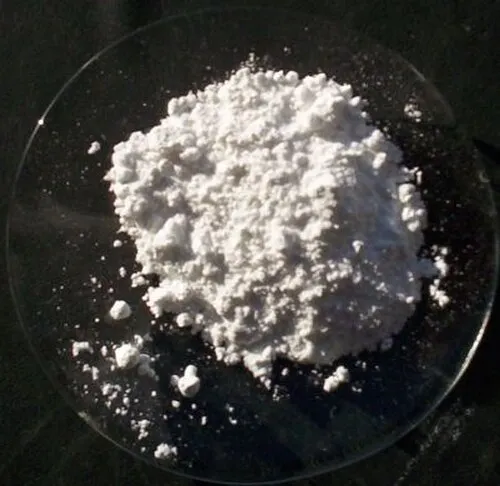
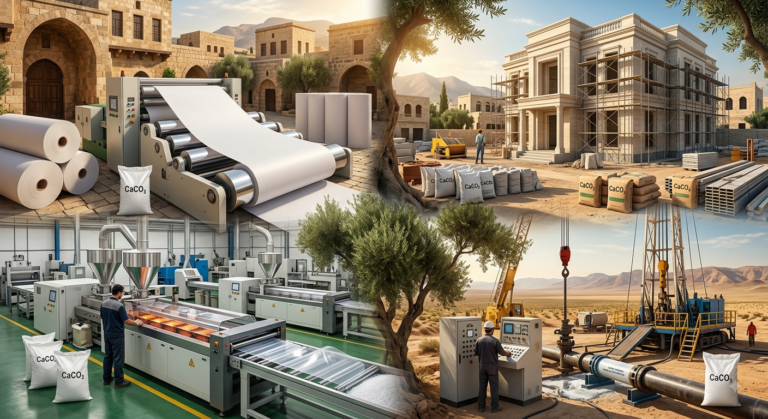
Calcium carbonate is the secret to purity and strength in the modern industrial world. Few single materials find their way into paper, paints, plastics, pharmaceuticals, and toothpaste all at once yet calcium carbonate does exactly that, standing as the silent cornerstone behind much of what we use every day.
However, this material is not one uniform category. It splits into two main types that differ fundamentally in origin, properties, and fields of use. Understanding this difference is essential for anyone working with this material in any industrial or scientific field. Let’s walk through the core distinctions between the two types, clearly and directly.
First: Natural Calcium Carbonate the Earth’s Ready-Made Gift :
The oldest and most widespread type, extracted directly from the earth without complex chemical intervention.
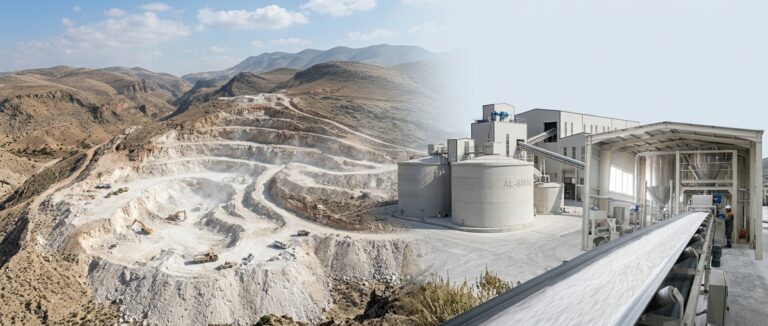
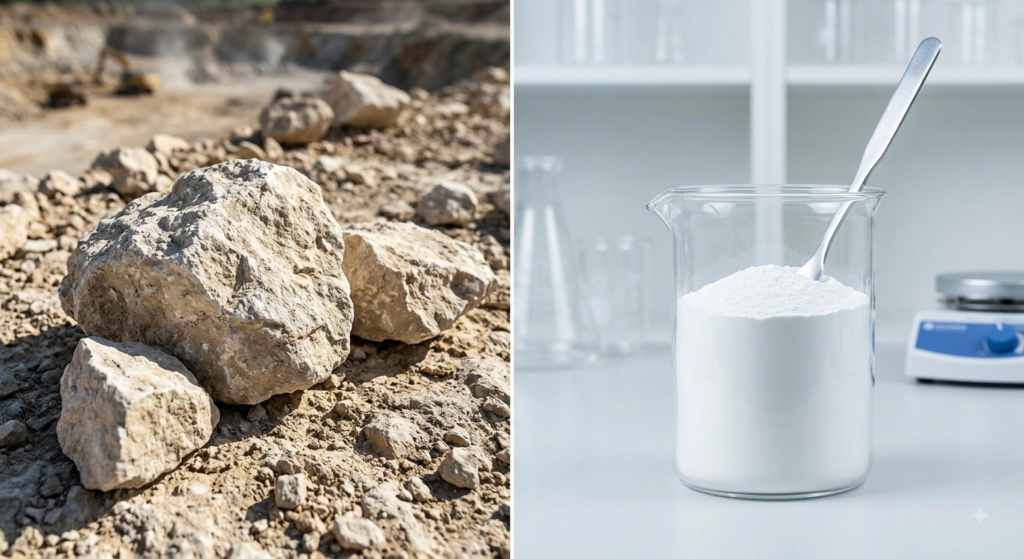
- Source: limestone, marble, and chalk formed over long geological ages.
- Production: mining, then mechanical grinding and classification by particle size.
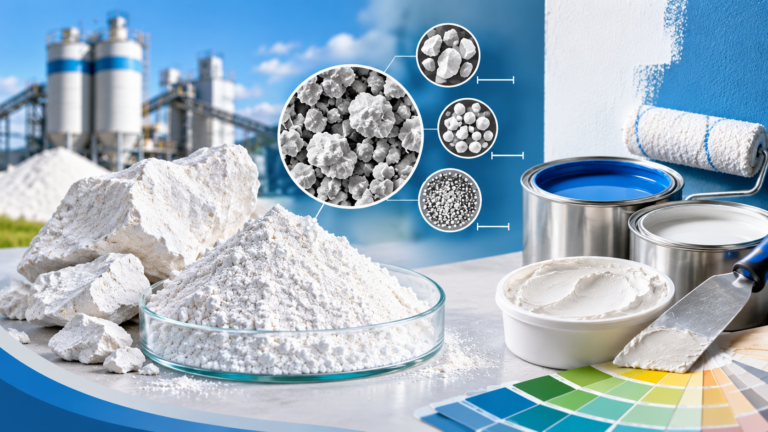
- Shape: relatively irregular particles with a wide size distribution.
- Key properties:
- low production cost.
- wide global availability.
- strong fit for heavy industries like construction, cement, and glass.
Second: Precipitated Calcium Carbonate — the Precision of Chemical Engineering :
Manufactured through a fully controlled chemical pathway. Limestone is burned to produce calcium oxide, which is dissolved in water; CO2 gas is passed through the solution, and pure, precisely controlled crystals precipitate out.
- Source: a fully controlled chemical reaction inside factories.
- Shape: fine crystals with controllable shape (needle-like, cubic, columnar) and size.
- Key properties:
- extremely high purity.
- engineerable particles per application.
- strong performance in pharmaceuticals, food, cosmetics, and ink
Third: A Direct Comparison for the Full Picture :
To clearly distinguish between the two types, here are the key points of difference:
- Source: The natural type is extracted directly from rocks through mining, while the precipitated type results from a fully engineered chemical reaction inside factories.
- Purity level: Natural calcium carbonate has medium to good purity, while precipitated calcium carbonate reaches ultra-high purity levels suited to the most demanding applications.
- Particle size control: Control is limited in the natural type due to its raw nature, while the precipitated type allows high precision and full customization of size and shape as needed.
- Cost: The natural type is relatively less expensive due to the simplicity of its extraction, while the precipitated type costs more due to the precision of its manufacturing process.
- Ideal fields of use: The natural type suits construction, cement, and ordinary paint industries, while the precipitated type excels in sensitive industries such as pharmaceuticals, food, and high-performance plastics.
These points make clear that calcium carbonate is a multifaceted material, with its properties shaped by industrial need rather than a single fixed standard.
Fourth: How to Determine the Right Type for Your Use :
Before making a decision, it’s useful to ask the following questions:
- Does the application require a very high degree of chemical purity, as in pharmaceutical or food industries? Then the precipitated type is the most suitable choice.
- Is the priority large quantity and low cost, as in construction and building projects? Then the natural type becomes a smart economic choice.
- Do you need fine control over particle size to improve texture, gloss, or distribution, as in paint, ink, or rubber? Then precipitated calcium carbonate is the undisputed optimal solution.
Fifth: The Environmental Dimension , Calcium Carbonate in the Service of Sustainability :
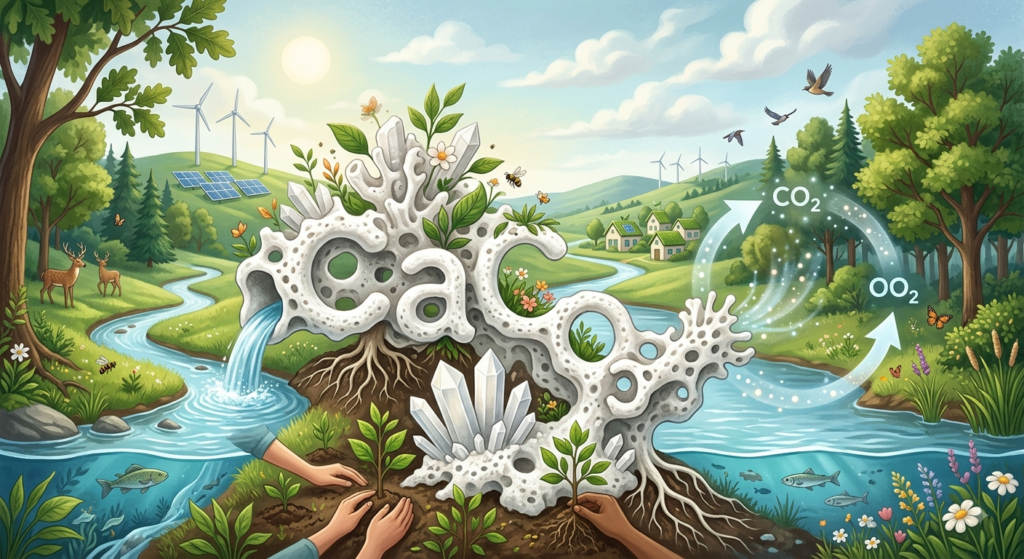
Alongside its industrial roles, calcium carbonate carries an environmental dimension worth noting, as it is one of the most environmentally friendly raw materials compared to many chemical alternatives:
- A relatively renewable source: Calcium carbonate is available in enormous quantities in the Earth’s crust, reducing pressure on scarcer resources.
- Low carbon footprint in some applications: Its use as a filler in plastics and paper reduces reliance on petroleum-based materials with a higher environmental cost.
- Recyclability: Calcium carbonate can be extracted from certain industrial and agricultural waste (such as eggshells and shellfish shells), a growing research field that opens new avenues for sustainability.
- Support for the circular economy: Some modern factories are moving toward precipitating calcium carbonate from CO2 emitted by other industrial processes, turning a harmful emission into a useful raw material.
This dimension makes calcium carbonate not just a traditional raw material, but part of a more conscious industrial vision, responsible toward the environment and future generations.
Conclusion:
Simple Knowledge Makes a Big Difference , Distinguishing between the two types of calcium carbonate is not a marginal technical detail, but essential knowledge that directly affects the quality, cost, and efficiency of any final product.
The natural type offers abundance and economy, while the precipitated type offers the precision and purity indispensable for sensitive applications.
Practical advice:
When dealing with any supplier, always request the Certificate of Analysis (chemical and physical analysis report) for the material, and compare it against your application’s actual requirements before making a purchase decision. Accurate knowledge of raw material properties is the starting point for any quality that can be trusted later on.